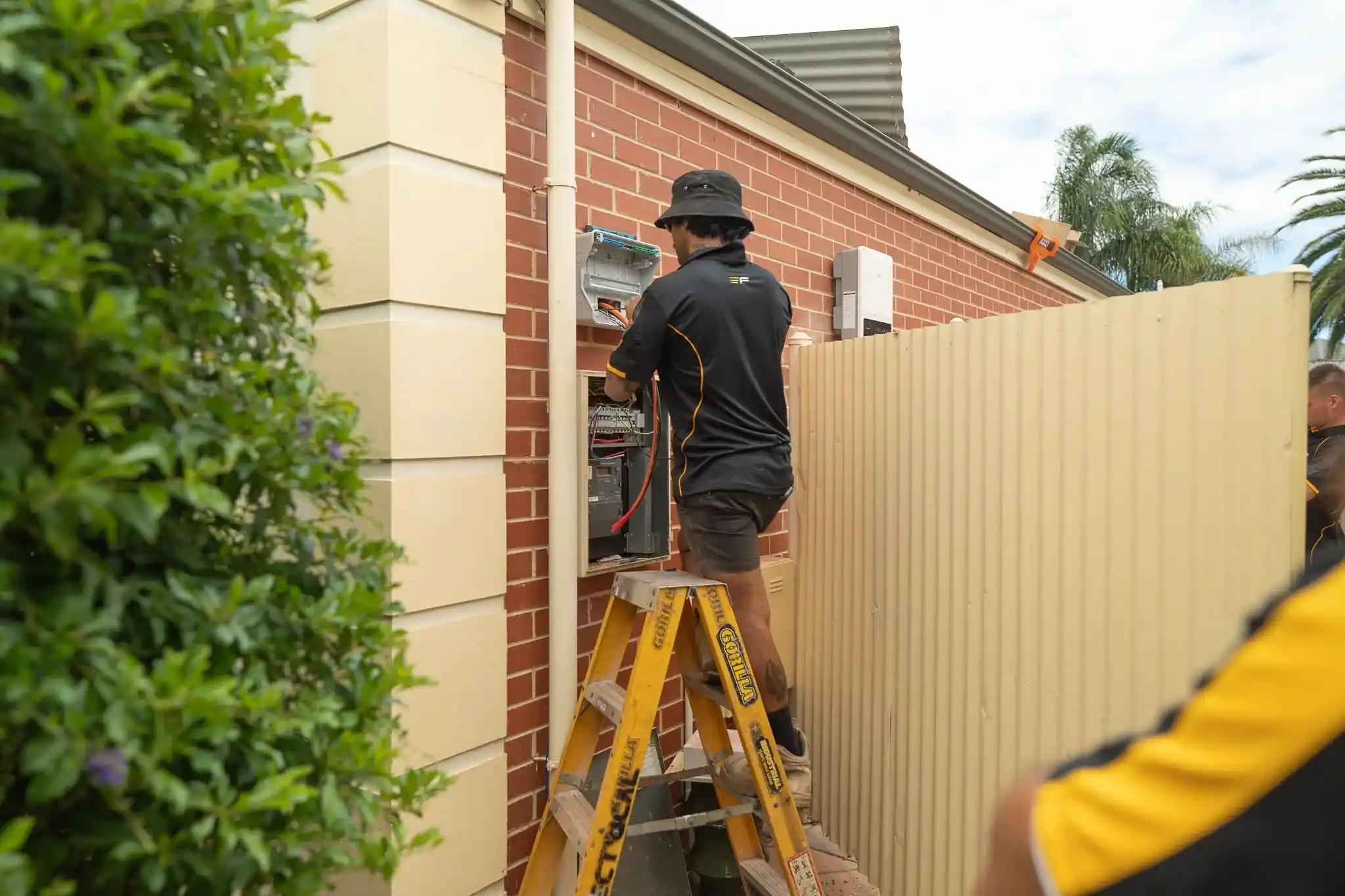
Upfront pricing and quality electrical work for homes and businesses in Fulham, from the local team at Flash Electrical SA.
"*" indicates required fields
Over 10 Years Experience

REPS Approved Installer

Upfront & Competitive Pricing

Rural and Farm Work

Project Managing All Tradesmen
Flash Electrical SA has been wiring up homes and businesses across Adelaide since 2016, and Fulham sits right on our western run between the city and the coast.
Whether it’s a post-war home backing onto Linear Park, a place mid renovation off Tapleys Hill Road or a business on Henley Beach Road, our licensed local team handles switchboard upgrades, LED lighting, solar and battery installs, air conditioning and general electrical repairs, all with upfront pricing and no surprises on the invoice.
Safety switches and compliant boards.
Upgrades and new installs.
Systems sized to your usage.
Split system install and servicing.
Fault finding and general electrical.
Safety switch and appliance testing.
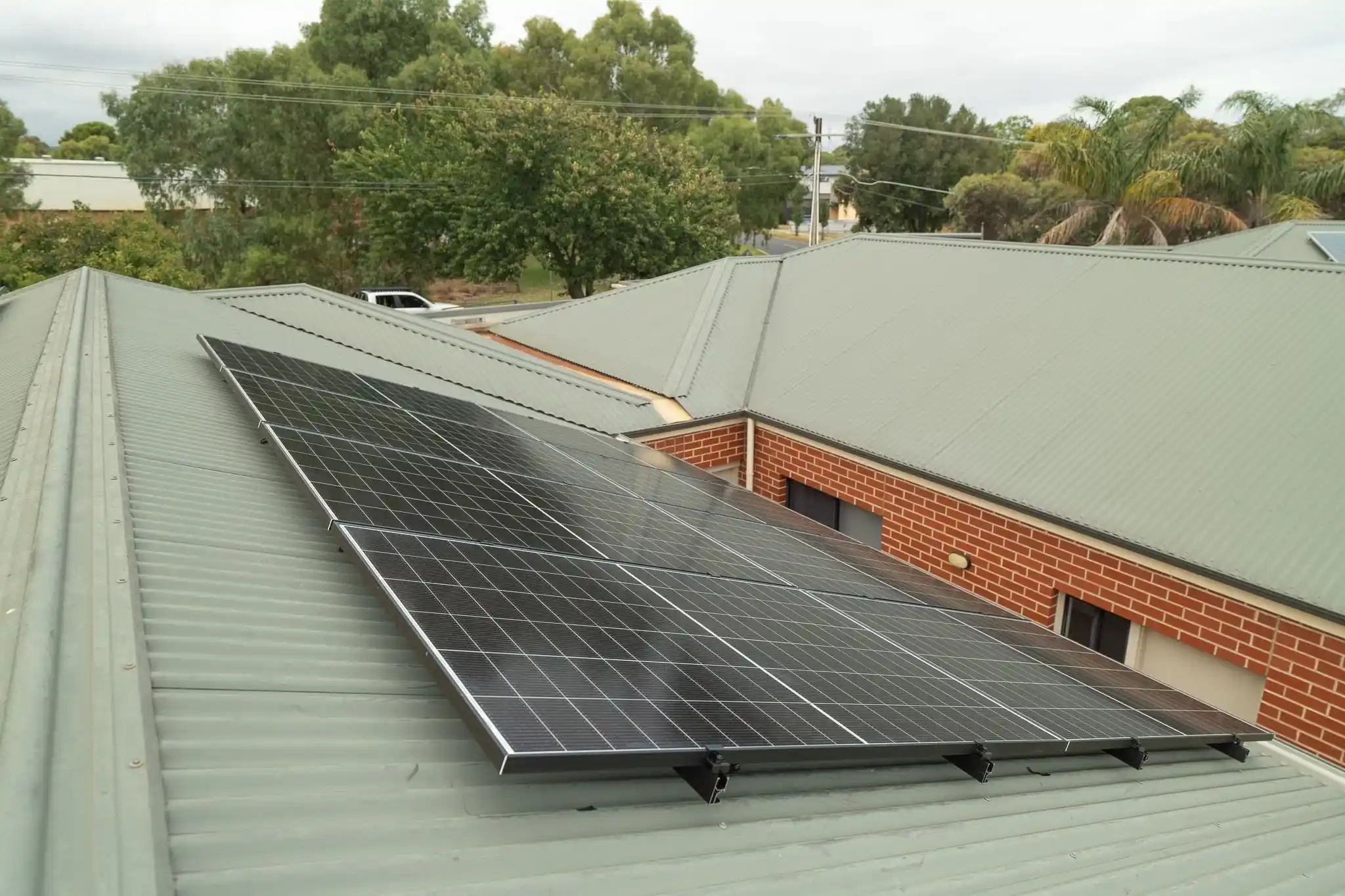
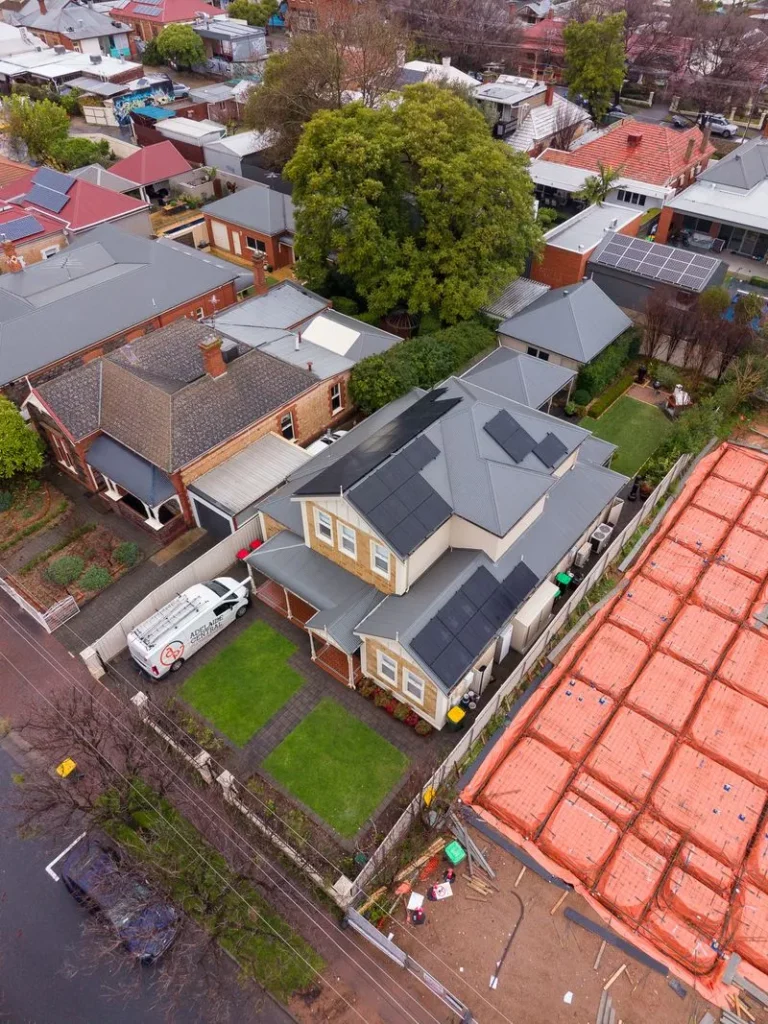
More than 47% of South Australian homes already make their own power from rooftop solar. Only about 11% have a battery to keep any of it. The rest is exported for a few cents and bought back at full price after dark, which is exactly when most households actually use it.
of homes in South Australia have Solar
have a battery to store it
federal rebate steps down again
The Cheaper Home Batteries discount shrinks at every step of the schedule, and the next one lands on 1 January 2027. That’s roughly $400 off a typical 10kWh system and around $1,000 on a large one, gone. If a battery is on the list for your place in Glenelg, the cheaper window is the one you’re standing in.
A clear price before work starts, so there’s no invoice surprise at the end.
Understand the proposed work and pricing, then approve the quote when you’re ready.
REPS approved installers, no subcontractors, same crew from quote to switch-on.
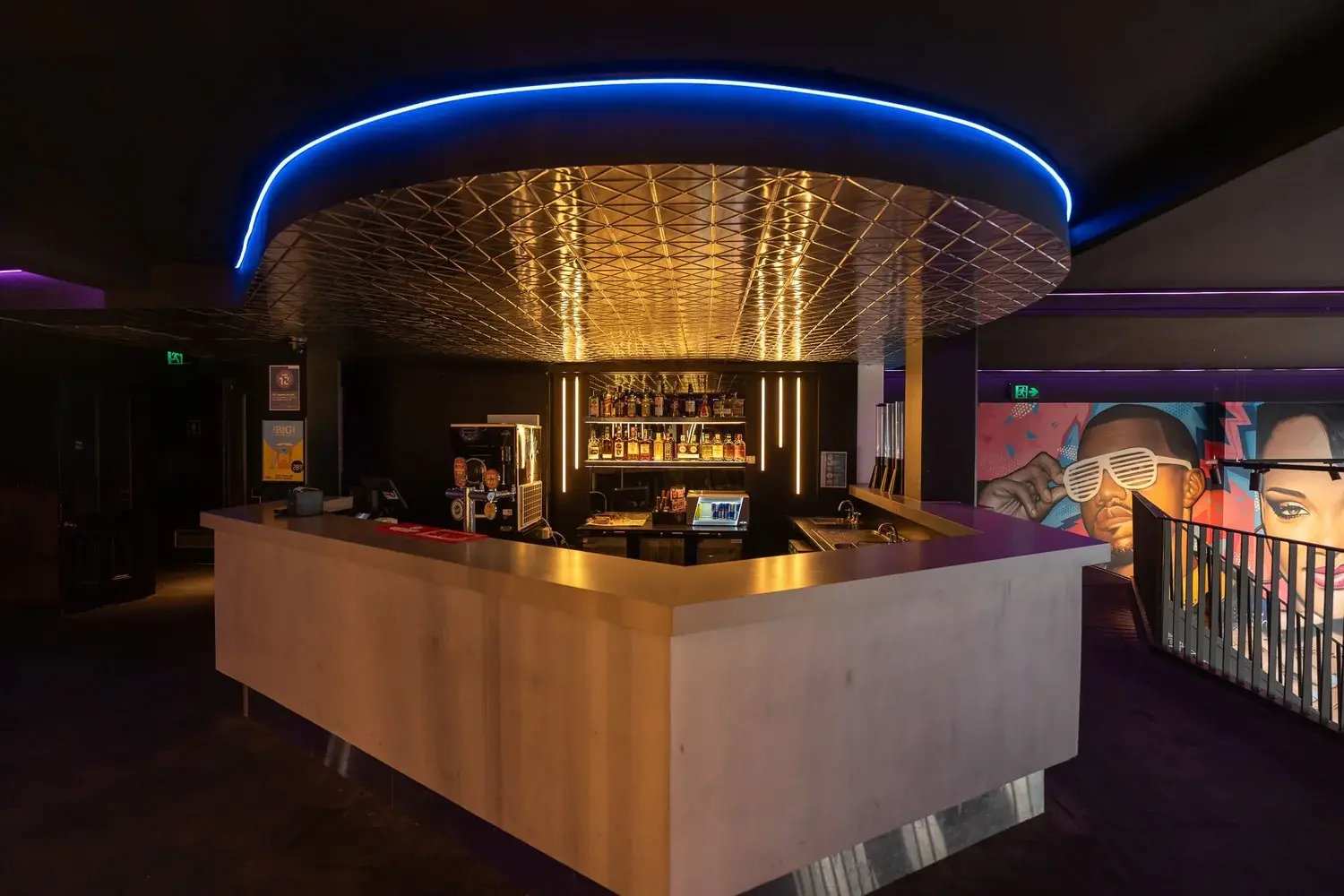
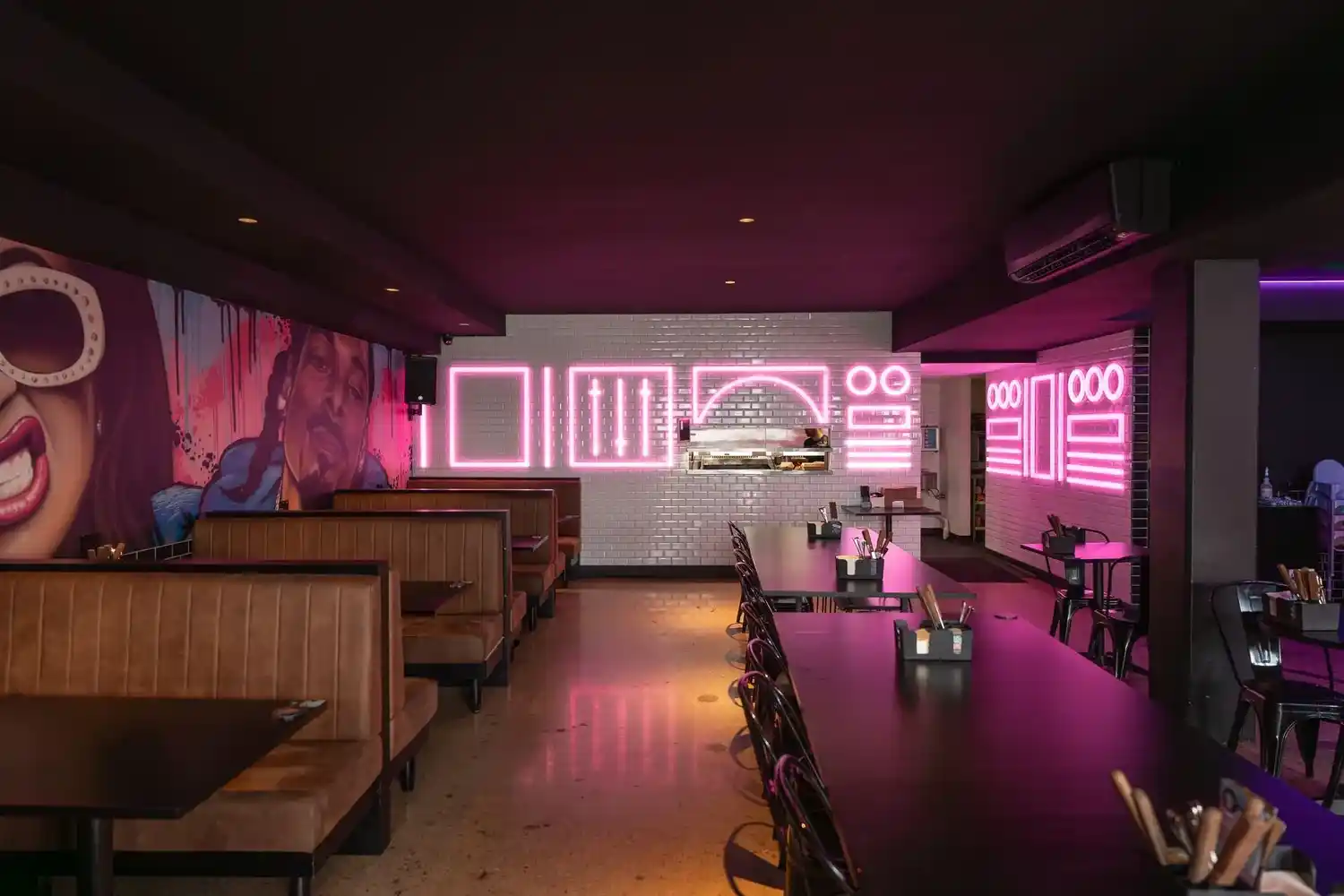
Every hour your doors are shut costs you money, so commercial work gets handled differently to a house call. We quote the scope upfront, book it around your trading hours where we can, and keep the site tidy enough to open the next morning.
Fulham started as farmland. John White bought the land around 1836 and named it after the part of London he came from, and the family homestead, Weetunga, is still standing and on the South Australian Heritage Register along with The Oaks on Henley Beach Road.
The suburb most people know, though, is post-war. Solid brick homes on decent blocks, built through the 1950s and 60s on a bend in the Torrens, eight kilometres from town and a few minutes from the beach.
Houses from that era are the ones we find in the most interesting condition. They are new enough that the original wiring is usually TPS rather than the perished rubber you find in a 1920s place, but old enough that they were designed for a fraction of the load a family runs today, and almost all of them have been extended, re-roofed, insulated or renovated at least once since. The insulation part matters more than people think, because it went into a lot of these ceilings decades after the lighting did.
We will tell you plainly which category your place falls into before any work starts.
If the lights dip when the kettle or the air conditioner kicks in, the circuit is carrying more than it was built to carry.
If the lights dip when the kettle or the air conditioner kicks in, the circuit is carrying more than it was built to carry.
If you’re still replacing fuse wire, the board is older than safety switches are and it’s well past due for an upgrade.
Share your project and location. We’ll discuss the scope and arrange a site visit if needed.
Understand the proposed work and pricing, then approve the quote when you’re ready.
We’ll schedule your job, coordinate the work and take you through the completed project.
Flash Electrical SA runs out of a warehouse at Dudley Park, with crews covering homes and businesses throughout metropolitan Adelaide, plus rural and farm work further out. If you’re closer to the coast or the inner north, we’re already working in your area.
It usually sits in a better spot than people fear and a worse one than they hope. The cable is often TPS, the plastic sheathed wiring still used today in updated form, rather than the rubber insulated cable in pre-war homes, so it is frequently serviceable. What dates it is everything around the cable: a switchboard with rewirable fuses and no RCD, very few power points by modern standards, single lighting circuits covering the whole house, and no dedicated circuits for the loads that did not exist then. Add sixty years of additions done by varying hands and the honest assessment is usually board and circuits rather than a full rewire.
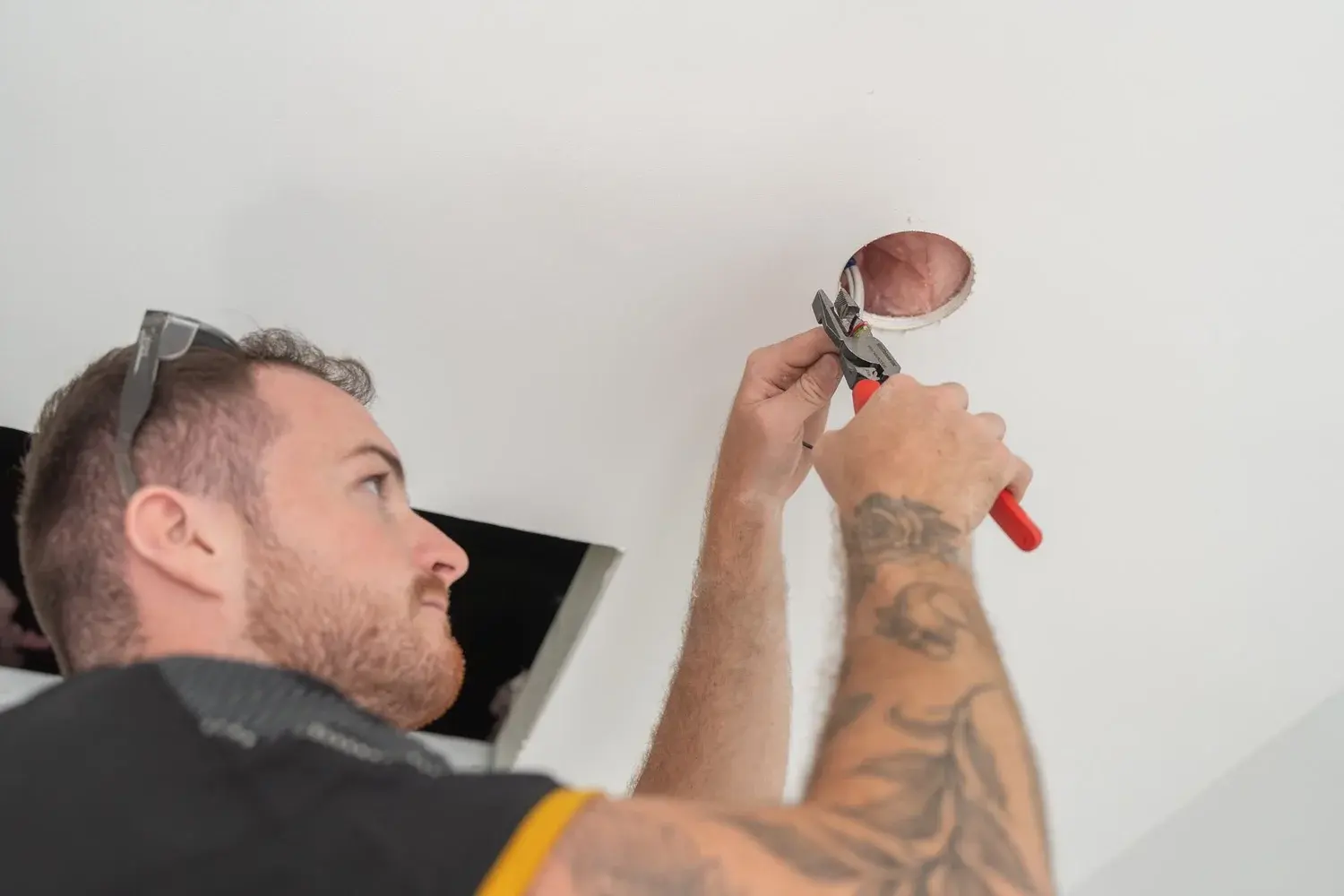
They can be, and it is a genuine issue in this part of Adelaide because insulation was retrofitted into a lot of ceilings long after the lights went in. A recessed light generates heat into the ceiling cavity, and if insulation has been pushed up against or over a fitting that was not designed for it, that heat has nowhere to go. Older halogen downlights are the worst offenders, since they run far hotter than LED. Two things fix it: fittings rated for insulation contact, which carry an IC rating, or proper clearance maintained around fittings that are not. If your ceiling has been insulated since the lights were installed and nobody checked, it is worth a look in the roof space.
More than people budget for, because it is effectively a second dwelling’s worth of electrical. The main questions are whether it runs off the existing switchboard or gets its own sub-board, whether the existing supply and main switchboard have the capacity to carry it, how the sub-mains cable gets from the house to the flat and whether that run is underground, and whether you want it separately metered, which matters a lot if you ever intend to rent it out. Sorting the metering question at the start is far cheaper than retrofitting it, and it is the one most people think about last.
There is no single number, because it depends on your existing supply, what is already on the board, and what you are adding. The practical answer is that a couple of extra power points rarely forces the question, while each of the following usually does: ducted air conditioning, an EV charger, an induction cooktop replacing gas, a battery, or a granny flat. What actually decides it is often physical space for new breakers and whether the board has RCD protection at all, because any significant new work generally triggers bringing that up to standard. We will tell you at quote stage rather than halfway through.
Load and where it lands. A split system is usually a dedicated circuit and a straightforward install. Ducted draws considerably more, almost always needs its own dedicated circuit run from the board, and on an older Fulham home that is frequently the job that reveals the board is full or unprotected. Multi-head and multi-zone systems sit in between. The useful thing to do is get the electrical assessed before you choose the system rather than after the salesperson has quoted you, because the difference in installed cost between the two is not just the unit. More on our air conditioning work in the services section.
For most homes and nearly every business, yes, and the case is stronger than it used to be. LED draws a fraction of the power for the same output, runs far cooler, which matters in an insulated ceiling, and lasts long enough that the replacement labour on a commercial site often justifies it on its own. The bit people get wrong is treating it as a lamp swap. Old fittings, particularly fluorescent battens with ballasts and halogen downlight cans, are generally better replaced than retrofitted, and the fitting choice affects whether the result looks like a lighting upgrade or a patch job.
Because the fault is on that circuit rather than in the supply. Whole-house flickering points at the supply or the main switchboard. One room narrows it considerably, and the usual causes are a loose connection at a switch, a light fitting or a junction, a failing fitting or driver, or a dimmer that is not matched to the lamps, which is extremely common where someone has put LEDs into a dimmer built for halogen. The loose connection case is the one worth acting on, because a loose connection generates heat at the point it is loose. Flickering that has appeared recently and is getting worse is not something to live with.