Upfront pricing and quality electrical work for homes and businesses in Henley Beach, from the local team at Flash Electrical SA.
"*" indicates required fields

Over 10 Years Experience

REPS Approved Installer

Upfront & Competitive Pricing

Rural and Farm Work

Project Managing All Tradesmen
Flash Electrical SA has been wiring up homes and businesses across Adelaide since 2016, and Henley Beach is a regular stop on our western run.
Whether it’s an old seaside villa a few streets back from the water, a new apartment off Seaview Road or a venue trading on Henley Square, our licensed local team handles switchboard upgrades, LED lighting, solar and battery installs, air conditioning and general electrical repairs, all with upfront pricing and no surprises on the invoice.
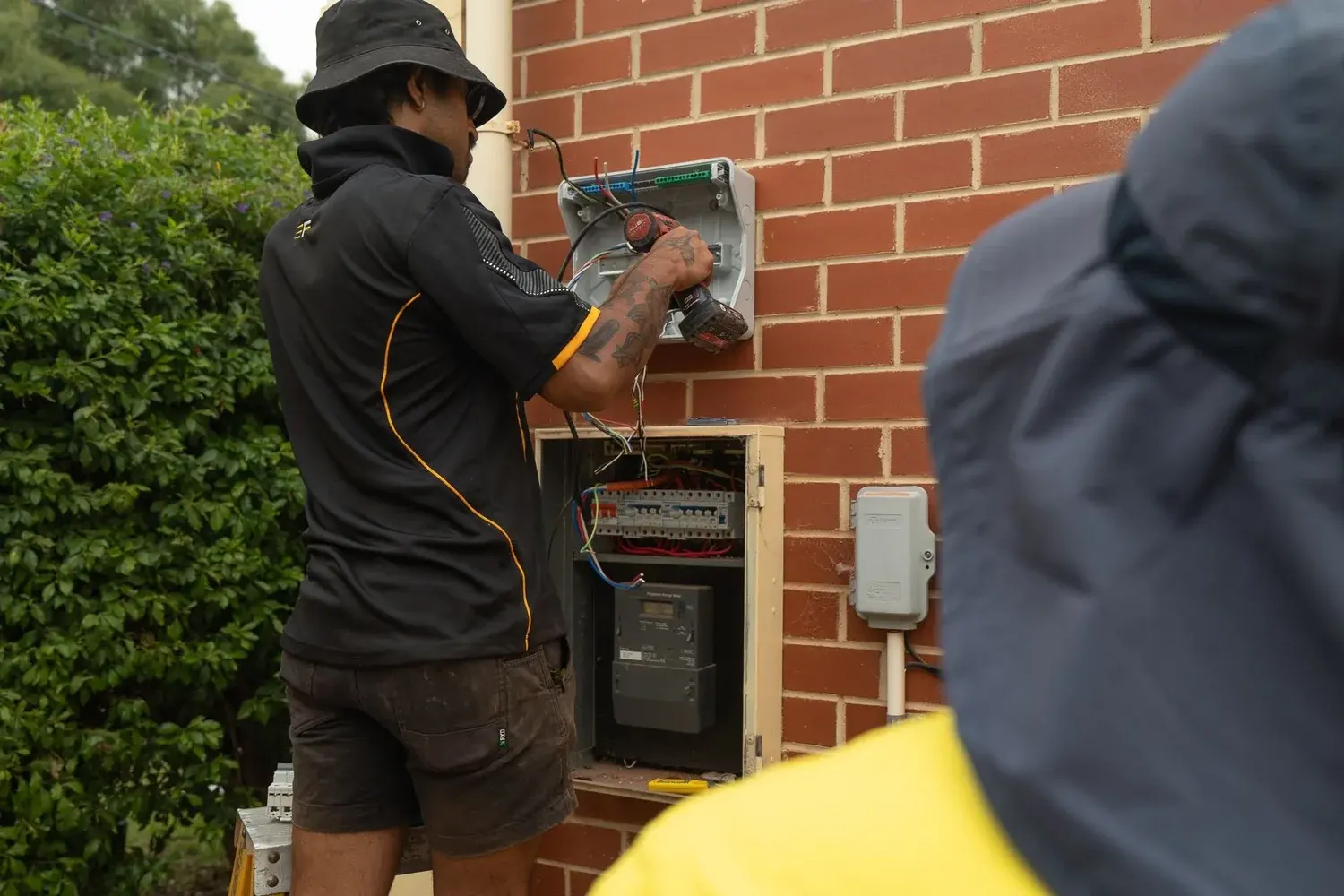
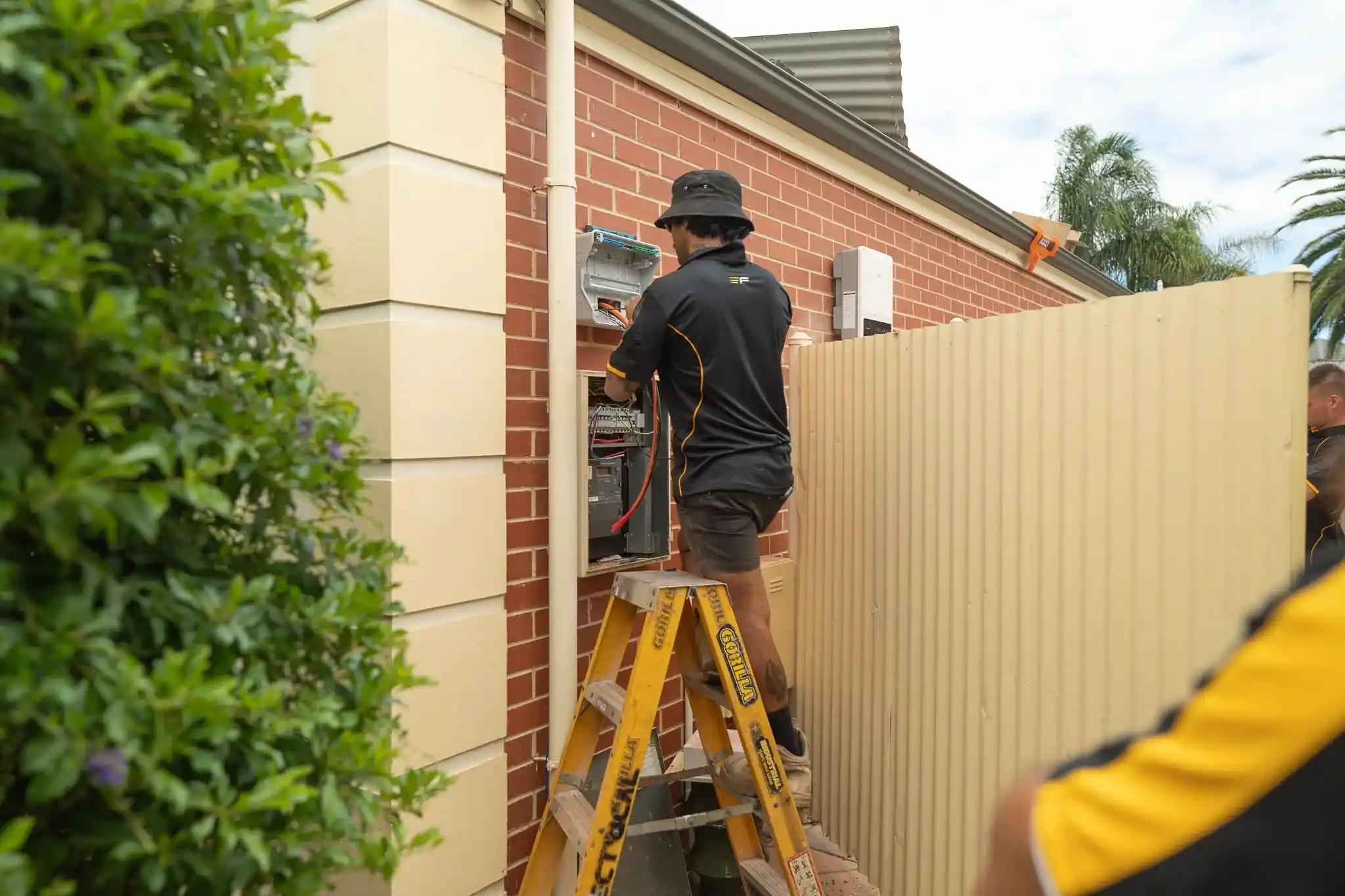
Safety switches and compliant boards.
Upgrades and new installs.
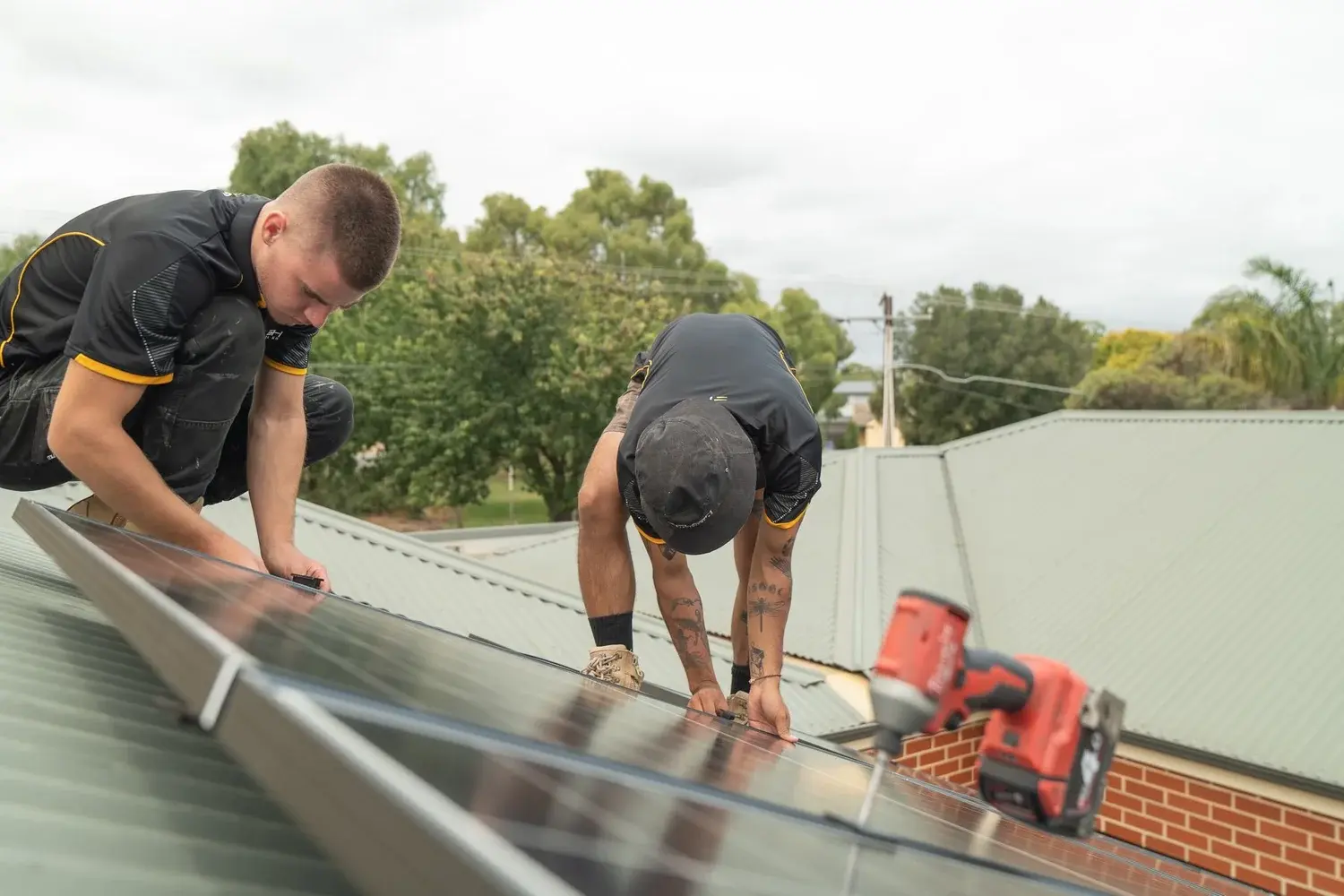
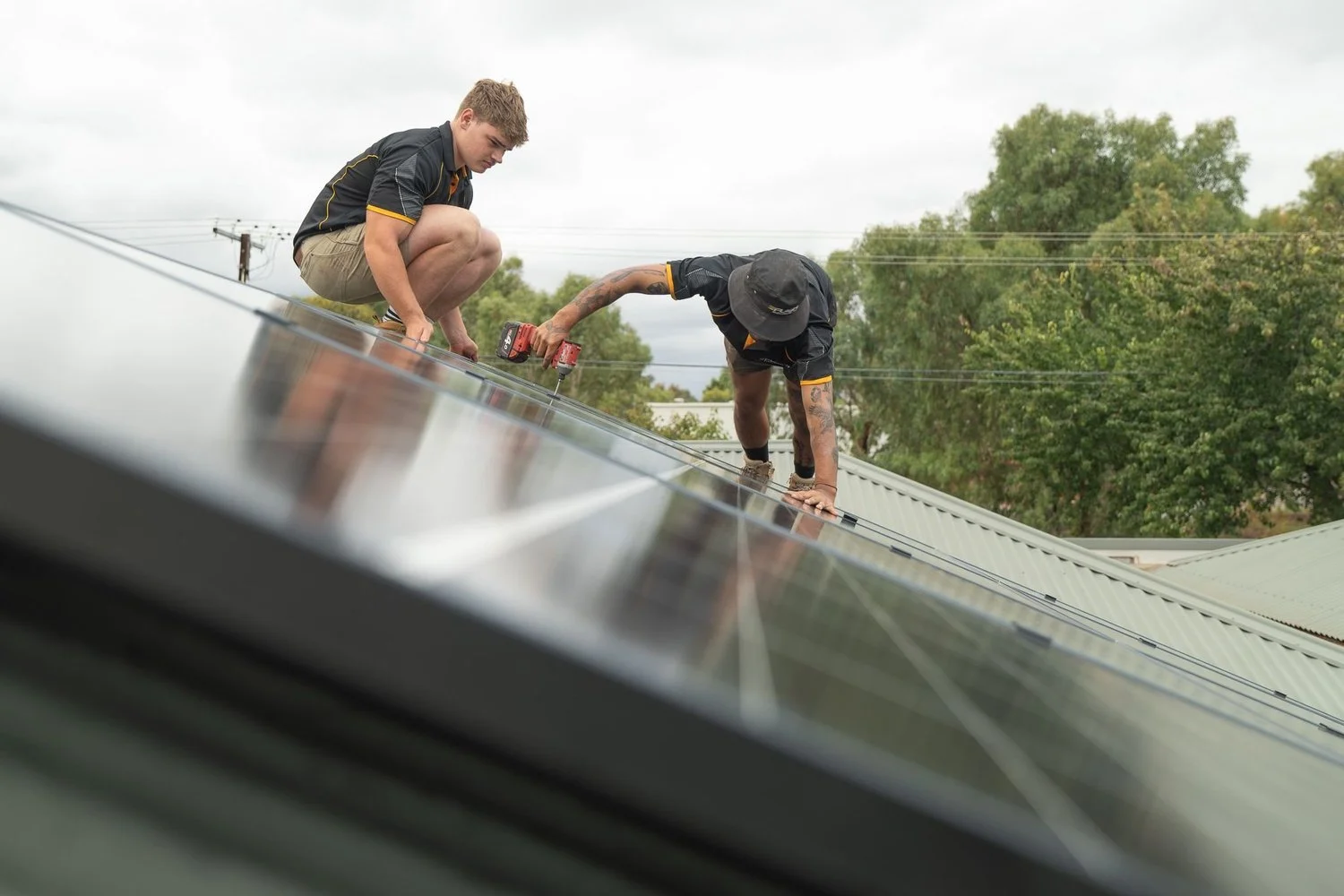
Systems sized to your usage.
Split system install and servicing.
Fault finding and general electrical.
Safety switch and appliance testing.
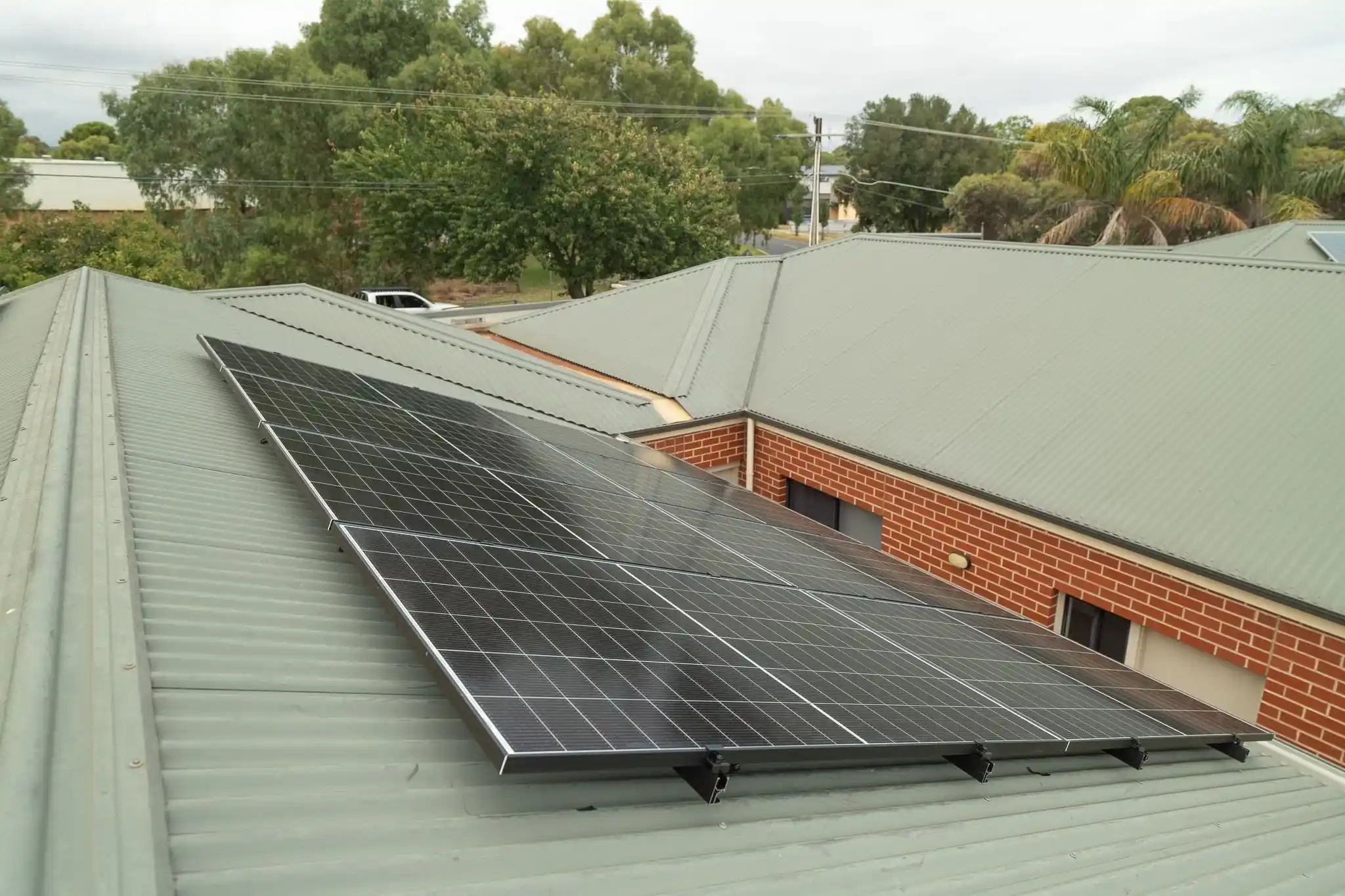
More than 47% of South Australian homes already make their own power from rooftop solar. Only about 11% have a battery to keep any of it. The rest is exported for a few cents and bought back at full price after dark, which is exactly when most households actually use it.
of homes in South Australia have Solar
have a battery to store it
federal rebate steps down again
The Cheaper Home Batteries discount shrinks at every step of the schedule, and the next one lands on 1 January 2027. That’s roughly $400 off a typical 10kWh system and around $1,000 on a large one, gone. If a battery is on the list for your place in Glenelg, the cheaper window is the one you’re standing in.
A clear price before work starts, so there’s no invoice surprise at the end.
Understand the proposed work and pricing, then approve the quote when you’re ready.
REPS approved installers, no subcontractors, same crew from quote to switch-on.
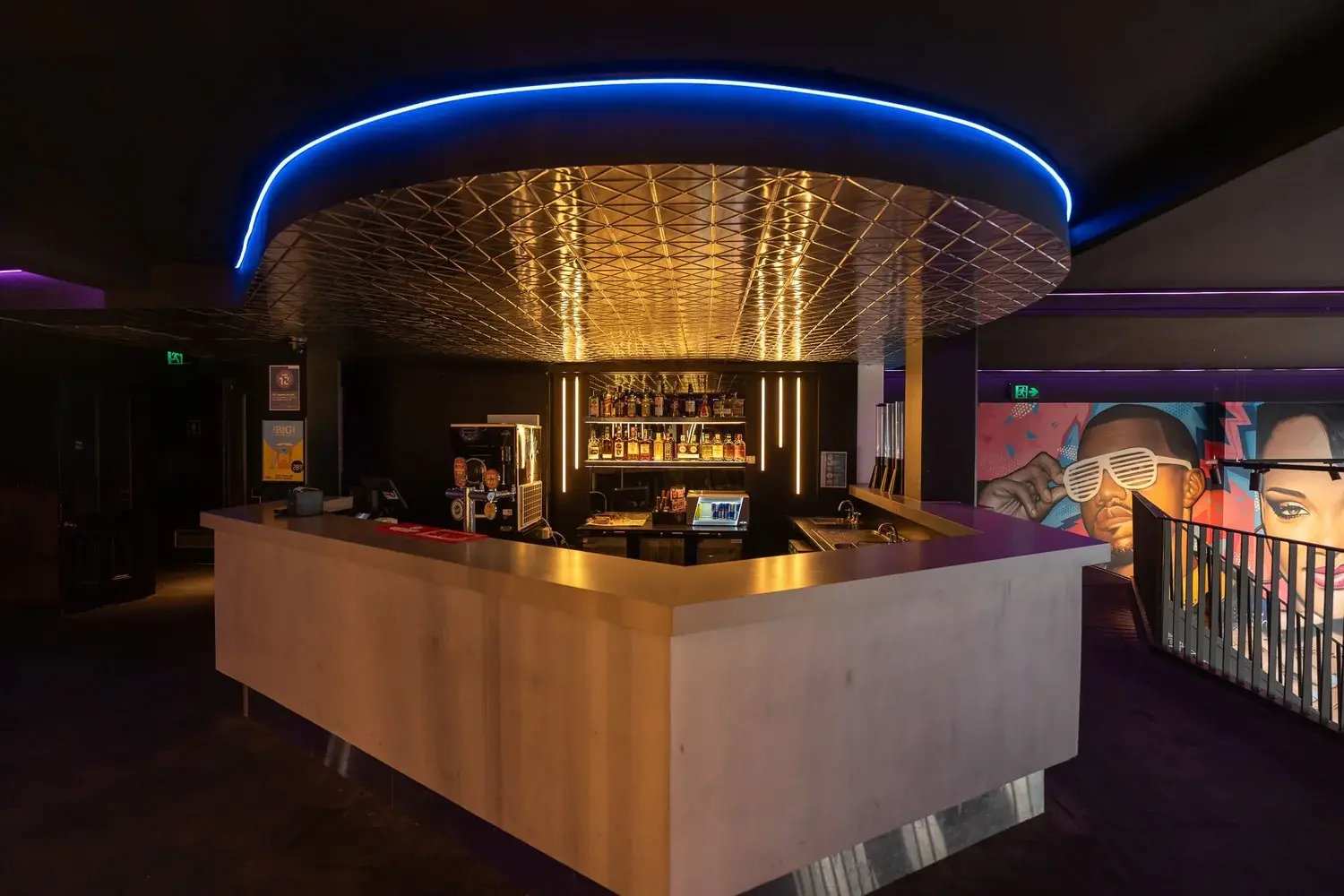
Every hour your doors are shut costs you money, so commercial work gets handled differently to a house call. We quote the scope upfront, book it around your trading hours where we can, and keep the site tidy enough to open the next morning.
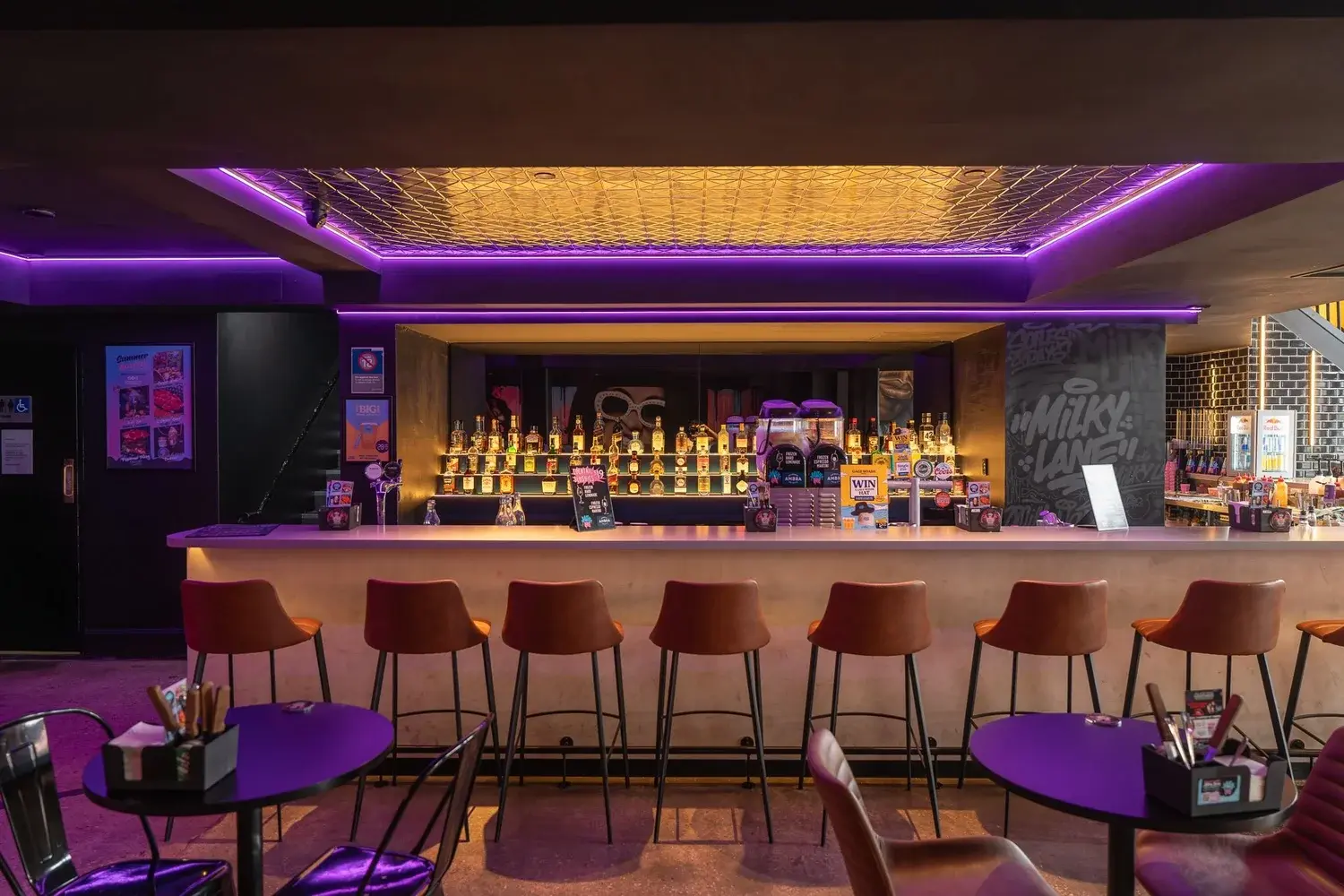
Henley Square is the concentration of it, restaurants, cafes and bars running commercial kitchens and long trading hours in buildings that were not designed around that load, plus retail and professional space along Seaview Road and Military Road. Whether that’s a kitchen fitout, a lighting upgrade or ongoing maintenance, the job gets the same licensed crew from quote to sign-off.
Henley Beach has been a destination since 1877, when the land granted back in 1850 was subdivided and developed as a town, named after Henley-on-Thames. A railway line ran here from 1894 and trams from the city were electrified in 1909, which is what turned a beach into a suburb. Both were gone by 1957.
What that leaves is a suburb built in layers. Original seaside cottages and Federation era villas sit on the same streets as post-war family homes, 1970s and 80s units, and the newer apartments and rebuilds along the Esplanade and Seaview Road. Three or four generations of electrical practice, sometimes on one block.
The coastal position adds the usual complications on top. Salt shortens the life of anything metal and exposed, and the outdoor living that people move here for, alfresco areas, pools, spas, garden and deck lighting, is exactly the work where getting the weatherproofing and the protection right actually matters.
We will tell you plainly which category your place falls into before any work starts.
If the lights dip when the kettle or the air conditioner kicks in, the circuit is carrying more than it was built to carry.
If the lights dip when the kettle or the air conditioner kicks in, the circuit is carrying more than it was built to carry.
If you’re still replacing fuse wire, the board is older than safety switches are and it’s well past due for an upgrade.
Share your project and location. We’ll discuss the scope and arrange a site visit if needed.
Understand the proposed work and pricing, then approve the quote when you’re ready.
We’ll schedule your job, coordinate the work and take you through the completed project.
Flash Electrical SA runs out of a warehouse at Dudley Park, with crews covering homes and businesses throughout metropolitan Adelaide, plus rural and farm work further out. If you’re closer to the coast or the inner north, we’re already working in your area.
Stricter than most people expect, and they are not optional. The wiring rules define zones measured out from the water, and what can be installed inside each zone is limited, which affects power point positions, light fittings, pumps and anything on a nearby deck or pergola. Pool and spa circuits need RCD protection, and metal work in the vicinity generally needs equipotential bonding so that everything nearby sits at the same electrical potential rather than becoming a path to earth. If your pool was installed years ago and nobody has looked at the electrical since, it is worth having checked, particularly where a pergola, outdoor kitchen or lighting has been added afterwards by someone else.
Two things: the right IP rating and the right protection. IP rating is the sealed rating of the fitting or outlet against dust and water, and outdoor gear at Henley needs to be specified for genuine exposure rather than a covered patio in the suburbs, because it cops sea air, driven rain and salt. The second is RCD protection on outdoor circuits, which matters more outside than in, because wet ground and bare feet remove most of what would otherwise protect you. Where we see problems is usually an alfresco area that grew over time, a power point added here, a light there, a spa later, none of it planned as one circuit.
Load and continuity. A commercial kitchen draws in a way a house never does, combi ovens, fryers, extraction, cool rooms and dishwashers all running at once, and a lot of the buildings around the Square were not built with that in mind. The questions worth answering before a fitout rather than during are whether the supply into the building can actually carry the equipment list, whether the board has the capacity and the RCD protection for it, and whether the extraction and refrigeration are on circuits that will not take the rest of the kitchen down with them. We would rather work that out at quote stage than have you find it on a Friday night.
It is a licensed electrician going through the installation properly rather than just the fault you called about: the switchboard, RCD protection and operation, the condition of visible and accessible wiring, earthing, and anything obviously non-compliant from past work. Worth doing before you buy a property, before you renovate, after you buy a place where the previous owner clearly did their own work, and on any rental where you have obligations as the owner. It is also the cheapest way to find out whether you are looking at one job or five.
Quick way to tell. If your neighbours are out too, it is the network, and SA Power Networks publish an outage map and run a 24/7 faults line on 13 13 66. If your neighbours have power and you do not, it is almost certainly on your side of the meter. Check your switchboard first, because a tripped safety switch or breaker is the most common answer and it is pointing at a real fault somewhere in your installation or an appliance. SA Power Networks are clear that you should only report an outage to them once everything in your meter box is in the on position. Their guidance on what to do when the power goes out is worth a read before you need it.
Flexible exports is an SA Power Networks arrangement where your system’s export limit varies with what the local network can actually take at the time, rather than being fixed at a fixed low cap. In practice it means most systems get to export more of the year than they would under a static limit, but the system has to be set up to receive and respond to the signal, which is an install requirement rather than something you bolt on later. Worth understanding before you sign a solar quote rather than after. SA Power Networks explain how it works here.
Depends entirely on what is behind the walls, and we would rather look before answering. The rough logic: if the existing cable is modern and the board is sound, extending it for a renovation is normal work. If we find perished rubber insulated cable, an unprotected fuse board, or circuits already carrying more than they should, patching new work onto that is building on a bad foundation and we will say so. The middle case, and it is the most common one, is a staged rewire where the renovated area gets done properly now and the rest is scheduled rather than done all at once. The one thing worth avoiding is closing up walls and ceilings before anyone has looked, because access is most of the cost.