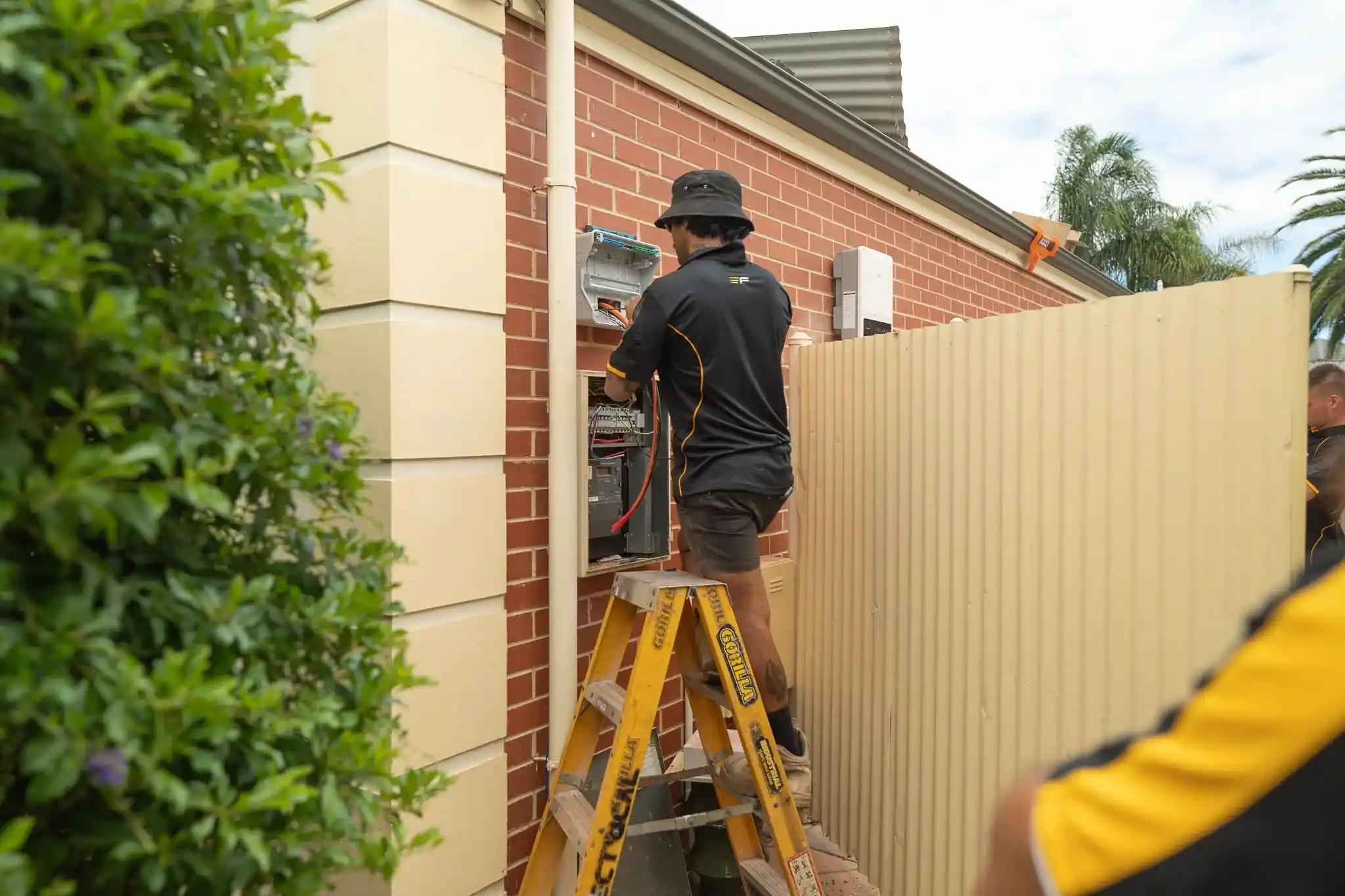
Upfront pricing and quality electrical work for homes and businesses in North Adelaide, from the local team at Flash Electrical SA.
"*" indicates required fields

Over 10 Years Experience

REPS Approved Installer

Upfront & Competitive Pricing

Rural and Farm Work
Project Managing All Tradesmen
Flash Electrical SA has been wiring up homes and businesses across Adelaide since 2016, and North Adelaide is a short run from our Dudley Park base.
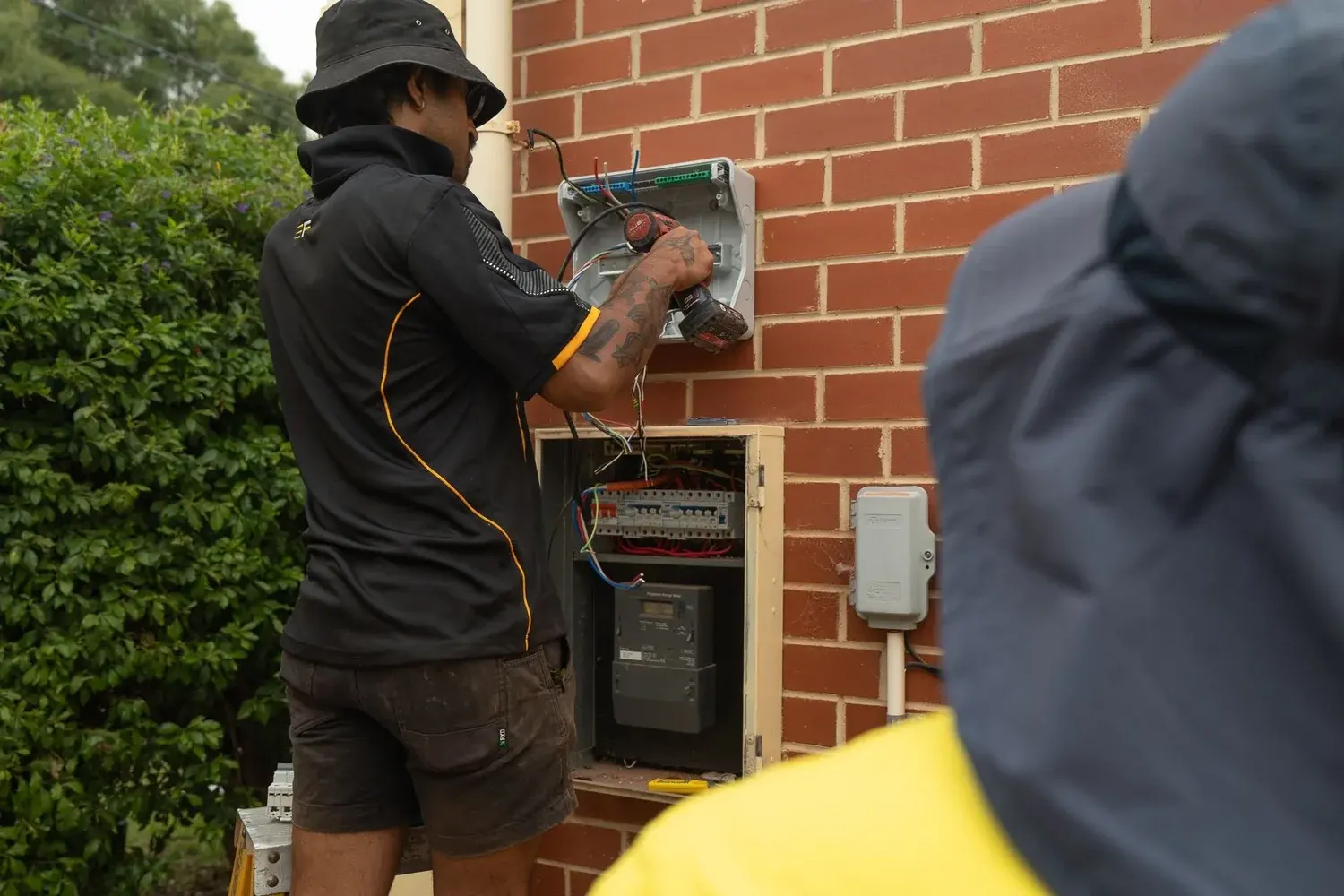
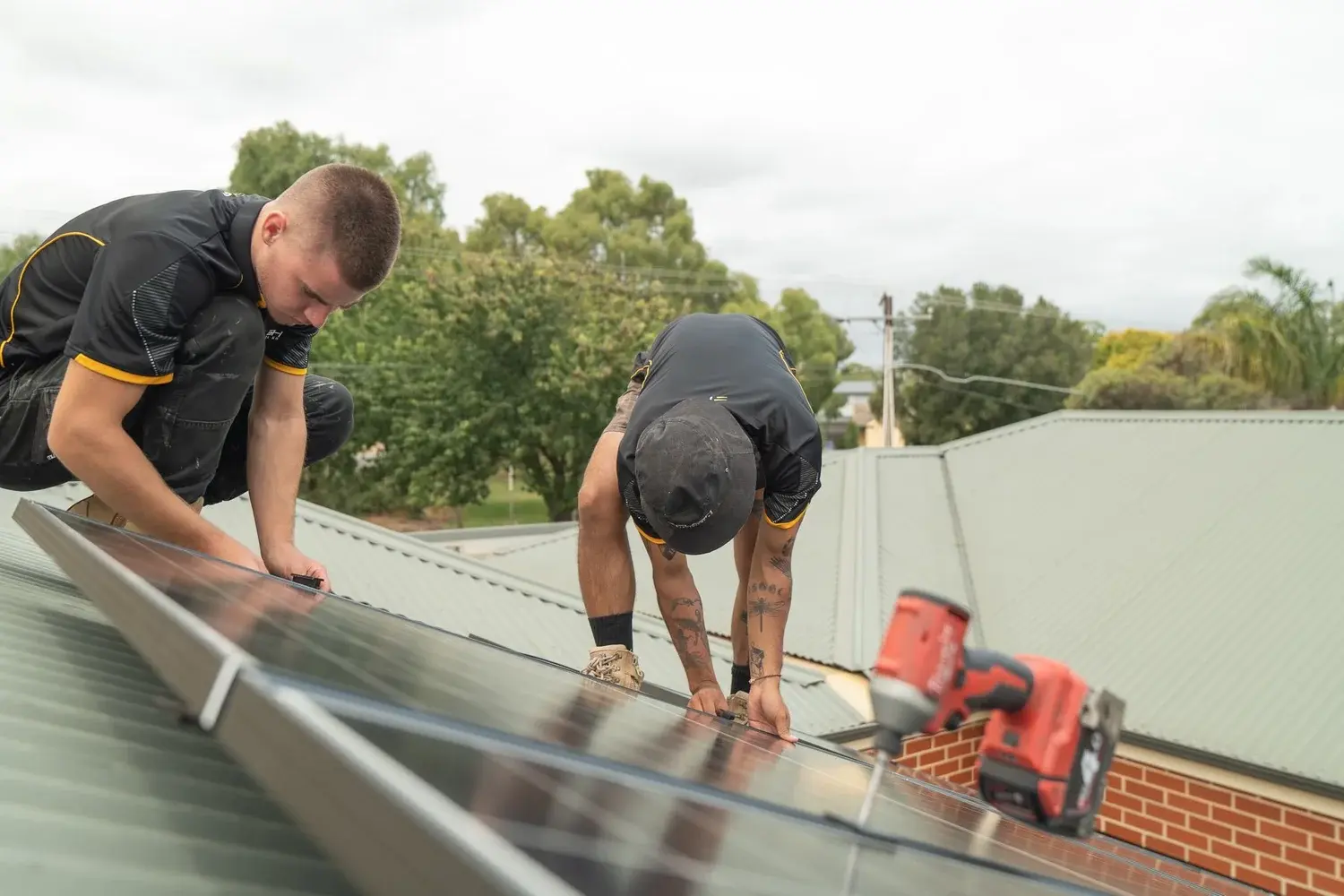
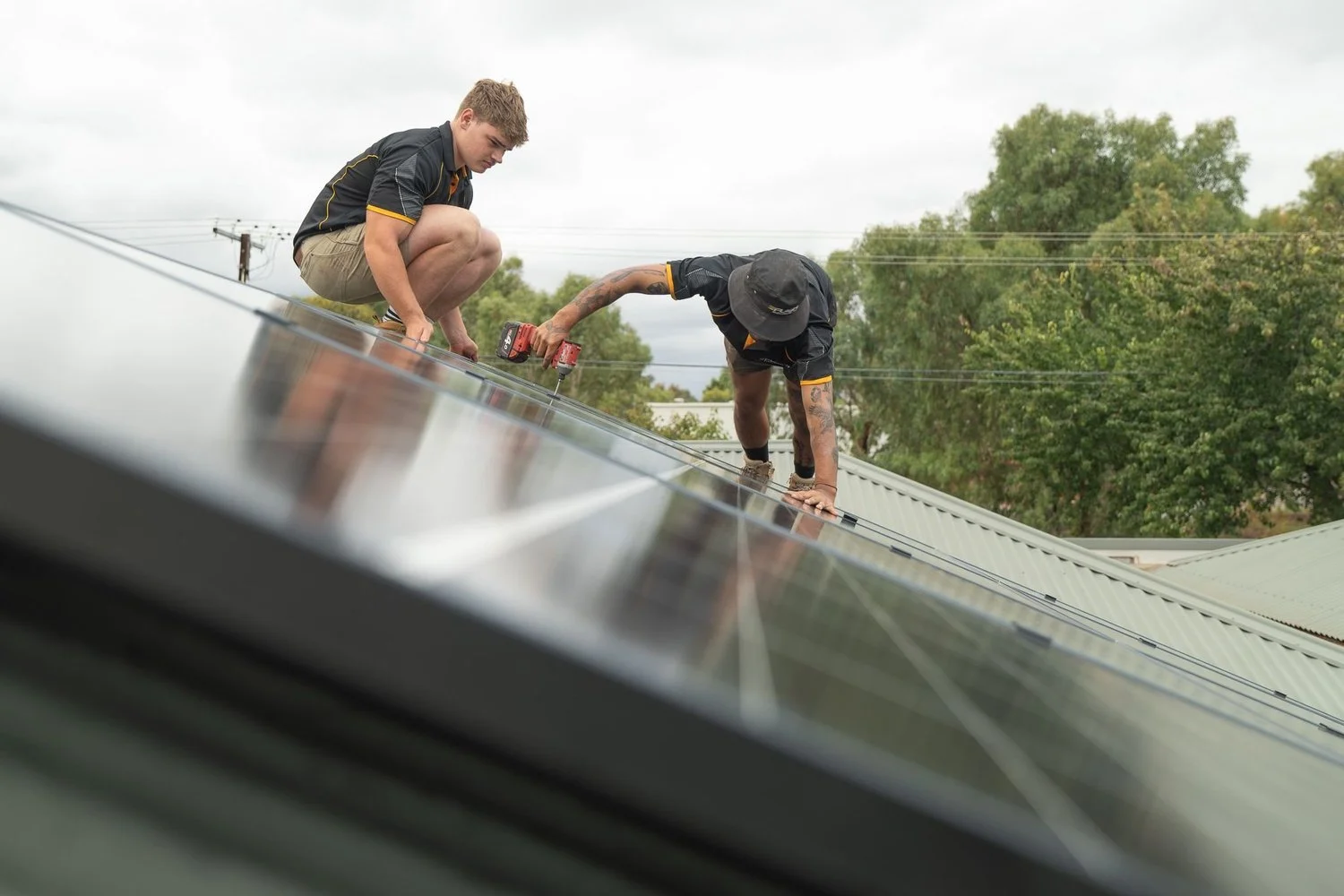
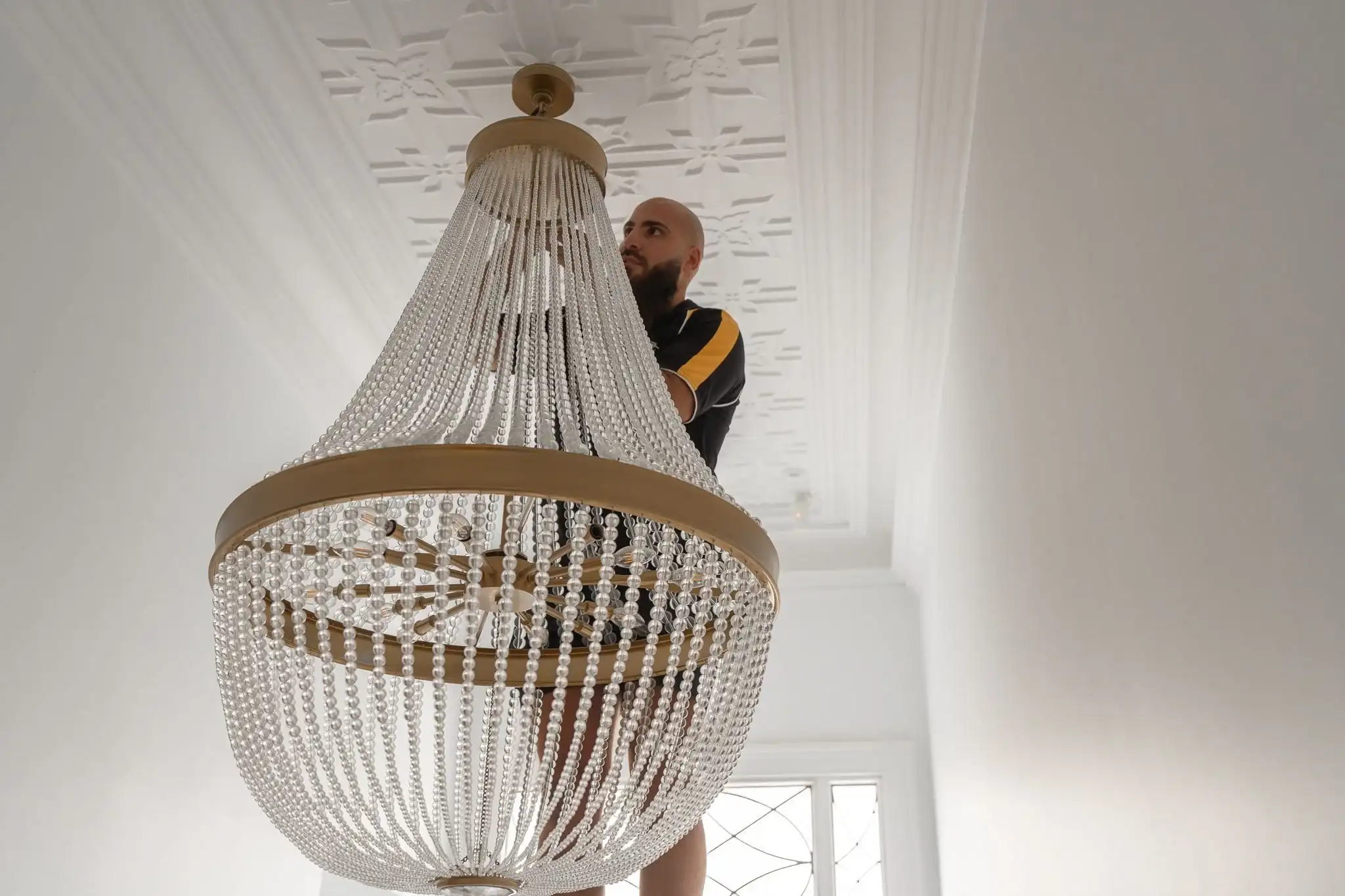
Whether it’s a bluestone villa off Wellington Square, a flat in a subdivided terrace or a hospitality venue on O’Connell or Melbourne Street, our licensed local team handles switchboard upgrades, LED lighting, solar and battery installs, air conditioning and general electrical repairs, all with upfront pricing and no surprises on the invoice.
Safety switches and compliant boards.
Upgrades and new installs.
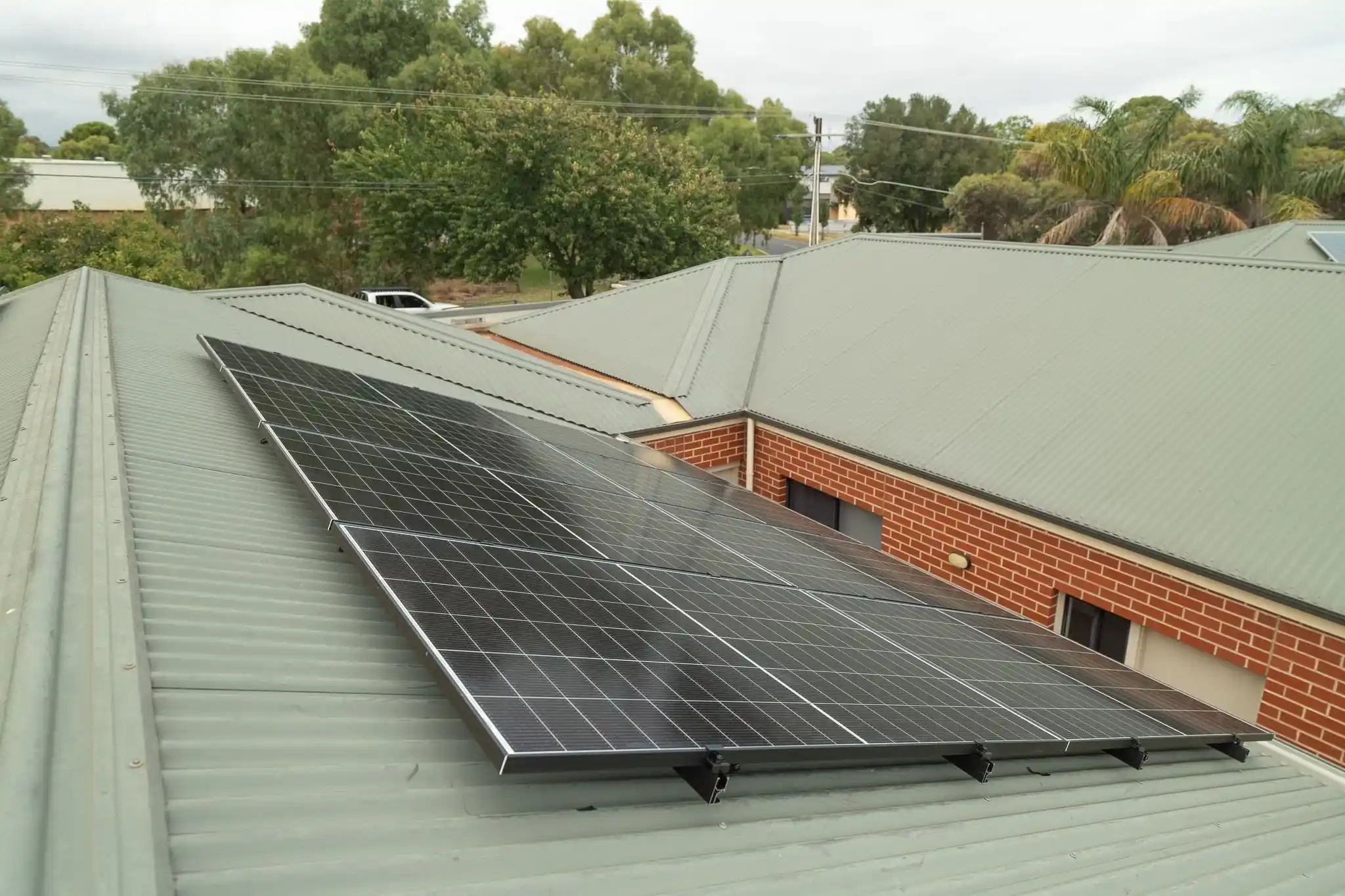
Systems sized to your usage.
Split system install and servicing.
Fault finding and general electrical.
Safety switch and appliance testing.
More than 47% of South Australian homes already make their own power from rooftop solar. Only about 11% have a battery to keep any of it. The rest is exported for a few cents and bought back at full price after dark, which is exactly when most households actually use it.
of homes in South Australia have Solar
have a battery to store it
federal rebate steps down again
The Cheaper Home Batteries discount shrinks at every step of the schedule, and the next one lands on 1 January 2027. That’s roughly $400 off a typical 10kWh system and around $1,000 on a large one, gone. If a battery is on the list for your place in Glenelg, the cheaper window is the one you’re standing in.
A clear price before work starts, so there’s no invoice surprise at the end.
Understand the proposed work and pricing, then approve the quote when you’re ready.
REPS approved installers, no subcontractors, same crew from quote to switch-on.
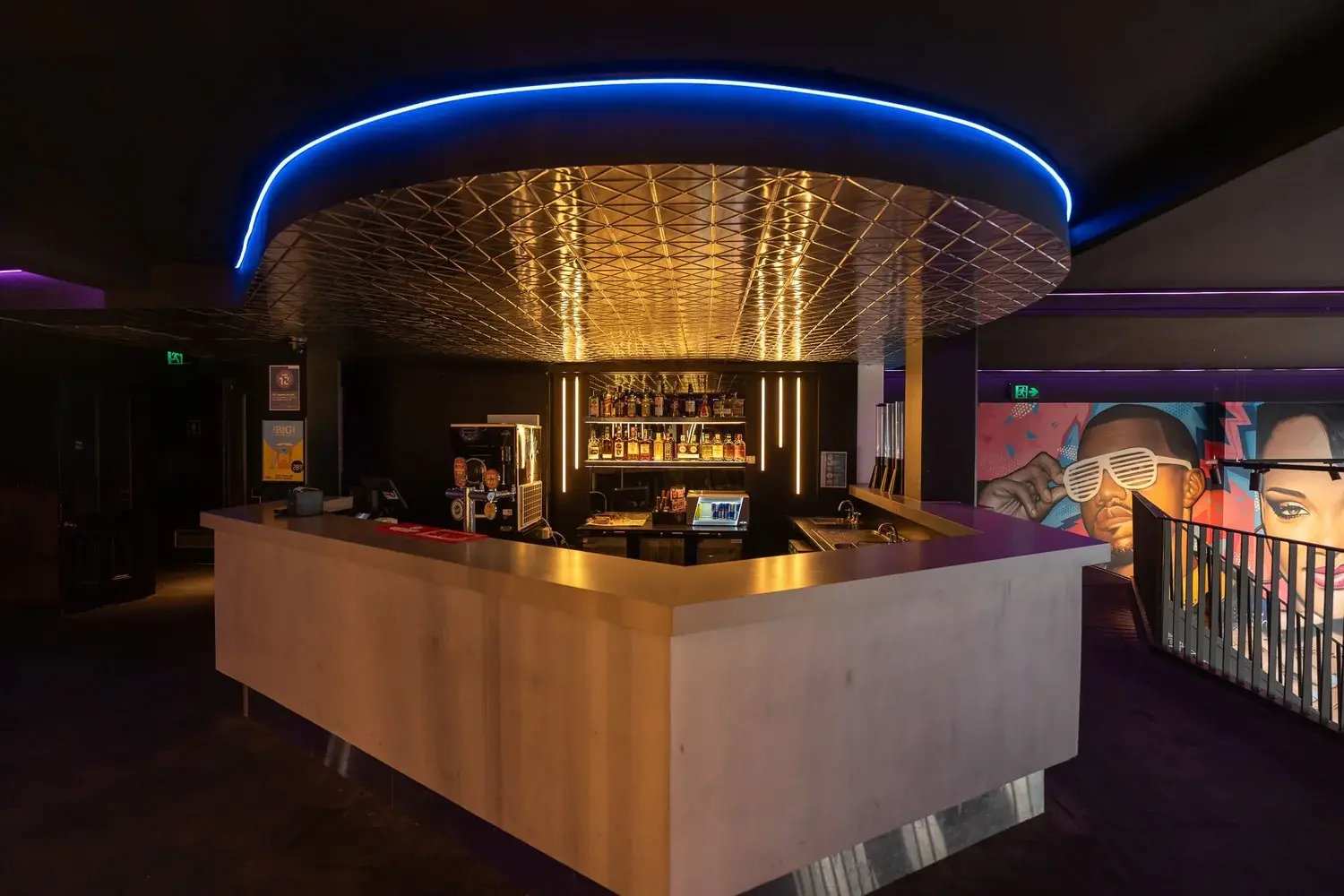
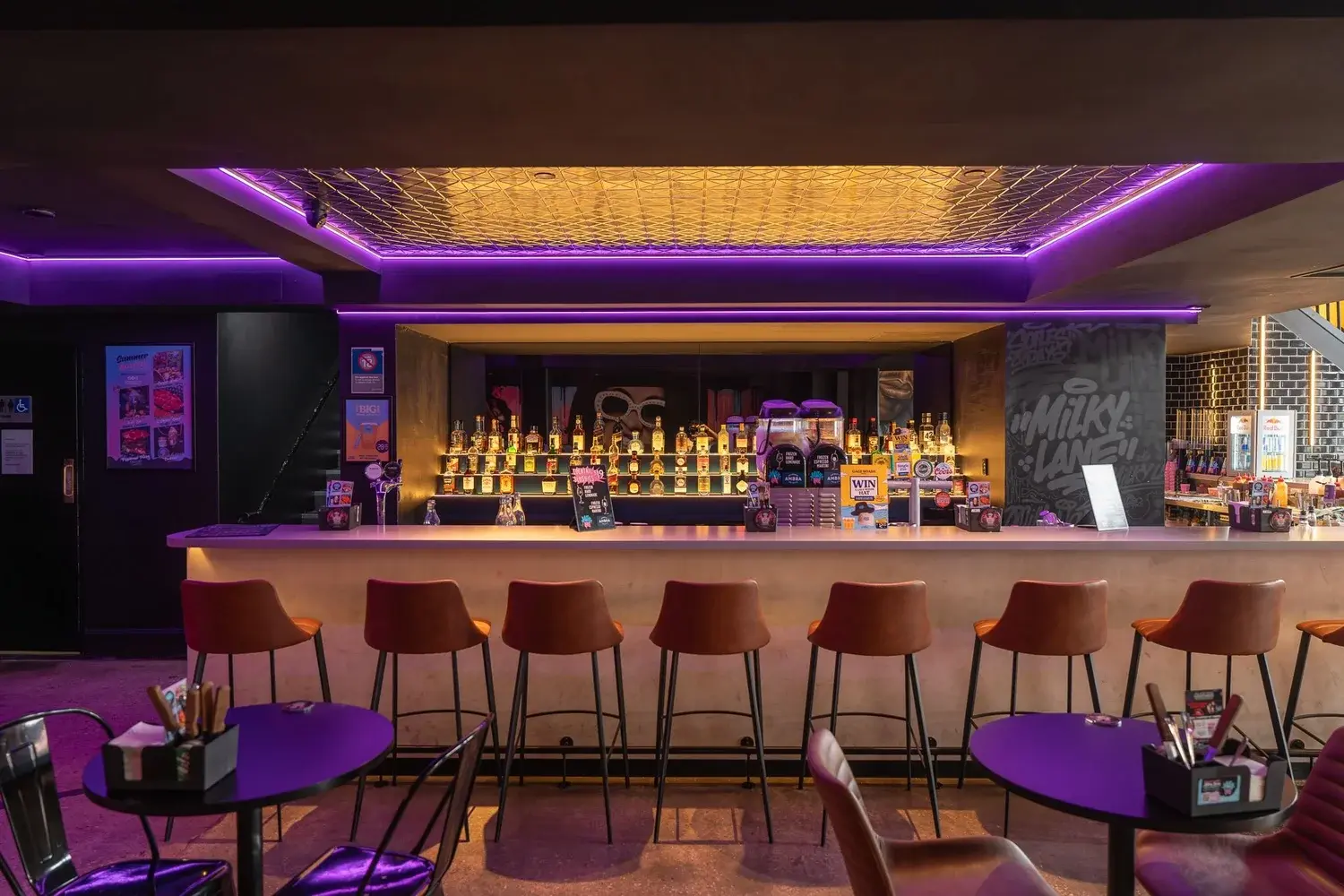
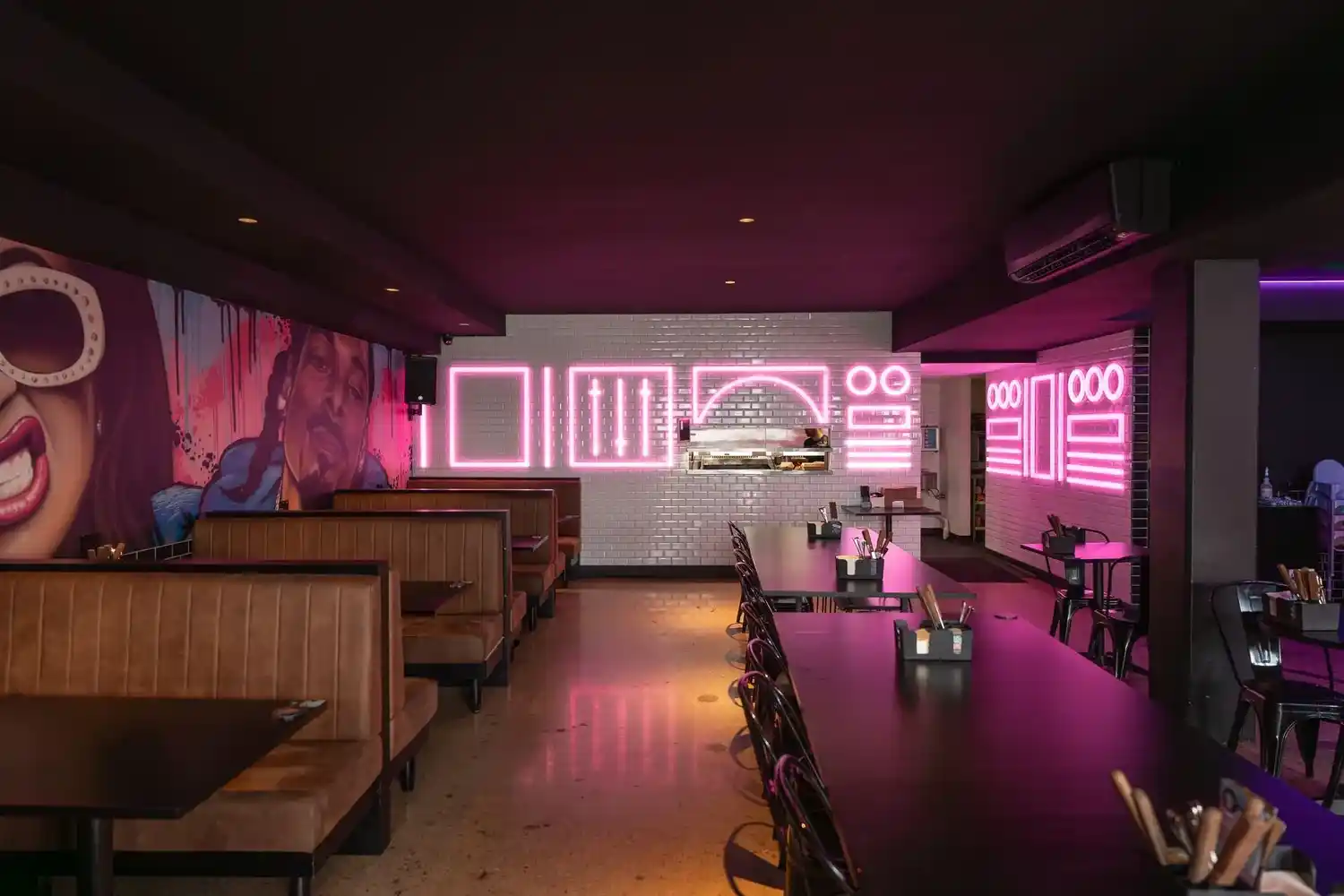
Every hour your doors are shut costs you money, so commercial work gets handled differently to a house call. We quote the scope upfront, book it around your trading hours where we can, and keep the site tidy enough to open the next morning.
North Adelaide’s commercial work is concentrated on the O’Connell and Melbourne Street strips, plus consulting rooms, offices and accommodation through the surrounding grids. Most of it sits in heritage buildings, which means fitout and lighting work has to respect what can be altered. Whether that’s a restaurant, a bar, a clinic or an office, the job gets the same licensed crew from quote to sign-off.
Colonel Light laid North Adelaide out in 1837, in three grids north of the Torrens, and much of what went up in the decades after is still standing. Grand villas, bluestone cottages, terraces and mansions, a good number of them on the South Australian Heritage Register, ringed by the Park Lands.
Beautiful housing, and the hardest electrical work in the city. Homes of this age have typically been through several waves of electrical work layered on top of each other, which means you can open a ceiling and find modern cable spliced onto rubber insulated cable from a rewire done in the 1960s. Heritage protections limit what can be surface mounted or visible from the street, so cable routes have to be planned rather than taken the short way. And a large share of the suburb’s terraces and villas were subdivided into flats decades ago, which means one meter box, shared circuits and an ownership question about who is responsible for what.
None of that makes the work impossible. It makes it work that needs planning before anyone opens a wall. We will walk you through what your property actually needs, and what the heritage rules allow, before any work starts.
If the lights dip when the kettle or the air conditioner kicks in, the circuit is carrying more than it was built to carry.
If the lights dip when the kettle or the air conditioner kicks in, the circuit is carrying more than it was built to carry.
If you’re still replacing fuse wire, the board is older than safety switches are and it’s well past due for an upgrade.
Share your project and location. We’ll discuss the scope and arrange a site visit if needed.
Understand the proposed work and pricing, then approve the quote when you’re ready.
We’ll schedule your job, coordinate the work and take you through the completed project.
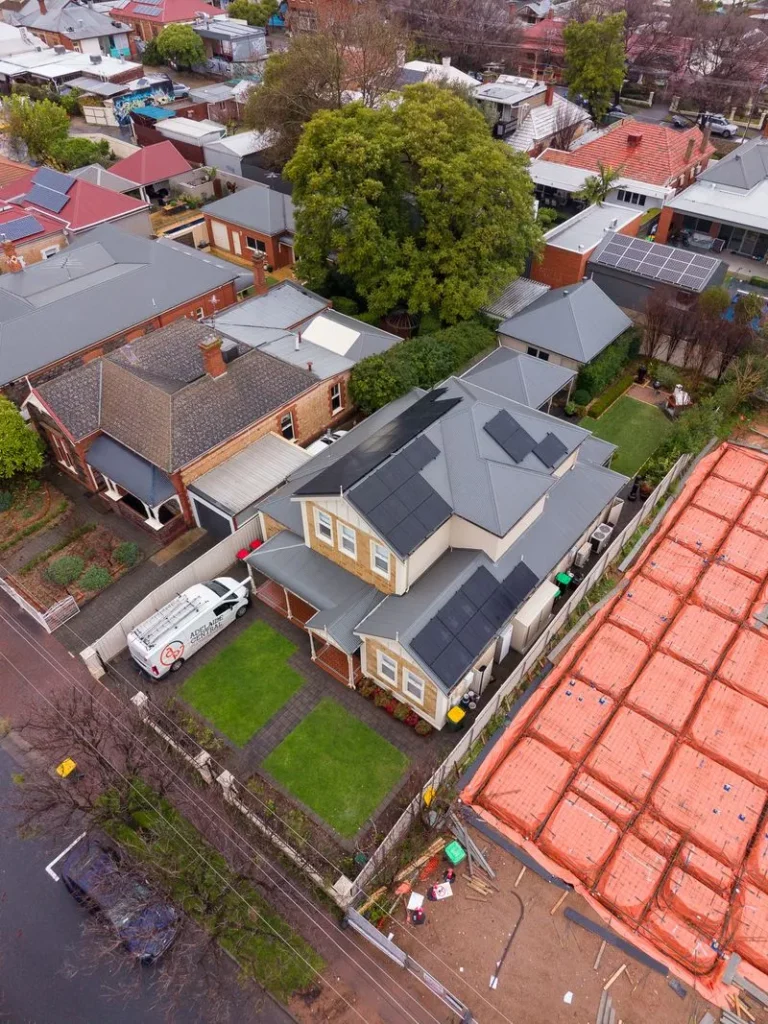
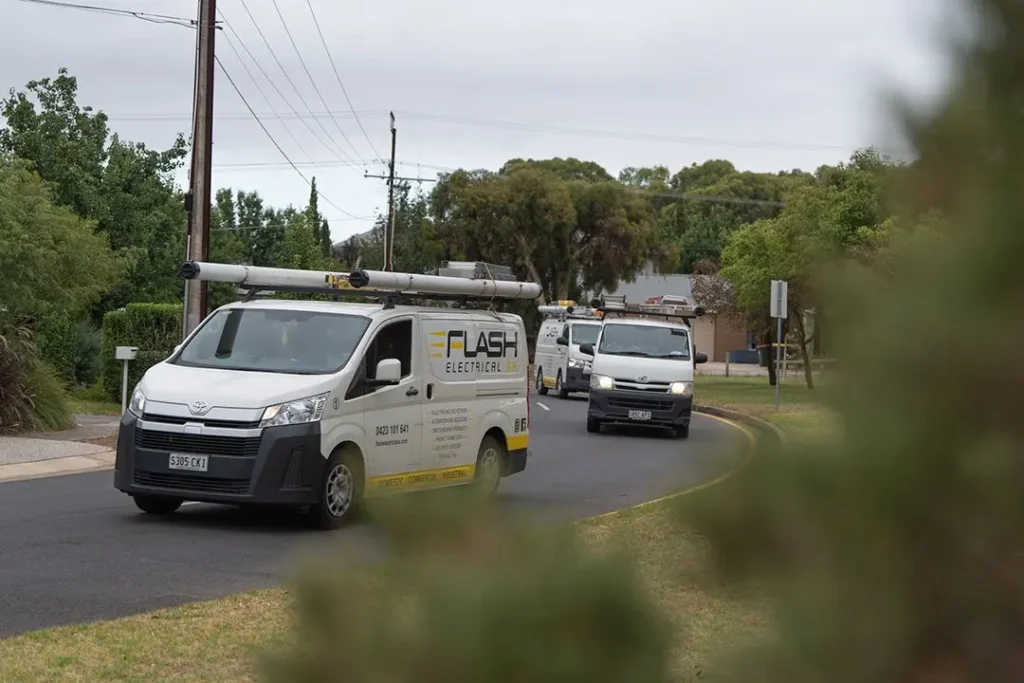
Flash Electrical SA runs out of a warehouse at Dudley Park, with crews covering homes and businesses throughout metropolitan Adelaide, plus rural and farm work further out. If you’re closer to the coast or the inner north, we’re already working in your area.
Often yes, but it depends on the listing and where the panels would go. The usual sticking point is visibility from the street, so a rear or side roof plane is far more likely to be supported than a street facing one, and on some listed properties an alternative mounting position or a lower profile system is the way through. Start by confirming what your property actually is, using the South Australian Heritage Places database, then check the rules on PlanSA’s heritage and character pages. The City of Adelaide’s heritage resources cover the local layer. We would rather work that out with you before quoting than have an approval knock a design back afterwards.
No, and that is the part people get wrong. An existing installation that was compliant when it was done is generally allowed to remain, so a ceramic fuse board is not illegal on its own. But legal and adequate are different questions. A fuse board gives you no RCD protection, so nothing in the house is watching for current leaking to earth, which is the fault that hurts people rather than just equipment. It also usually means limited circuit capacity for what a modern household runs. Any new work has to comply with current standards, which in practice often forces the board question anyway.
Broadly, wiring inside the boundary of your own lot is yours, and shared infrastructure such as the main switchboard, common area lighting, stair and corridor circuits and the supply up to the point it splits is the body corporate’s. In practice, in older North Adelaide conversions, the line is often genuinely unclear, because the subdivision was done before anyone was thinking about clean electrical separation and circuits sometimes cross between lots. The first step is usually a look at the board and the strata plan together. We are happy to identify what is whose before anyone starts arguing about who pays.
Technically usually yes, practically it depends on two things: whether there is capacity in the supply, and whether you can get the body corporate’s approval for the cable route and the metering arrangement. The metering question is the one people underestimate, because the charger needs to bill to your unit rather than to common power. It is a solvable problem and increasingly a common one.
Vulcanised India rubber, usually shortened to VIR, was standard in Australian homes into the 1950s and 60s. The copper conductor is fine, but the rubber insulation around it degrades with heat and age, goes hard and then cracks and falls away, leaving bare conductors sitting in a ceiling space. It is one of the genuine reasons to rewire rather than a sales line. If your North Adelaide property has not been rewired since the 60s, there is a reasonable chance some of it is still in circuit, and the roof space usually tells us within a few minutes of looking.
Sometimes, and it is worth checking rather than assuming. Work affecting the external appearance of a listed heritage place can require consent, and light fittings on a street facing facade are exactly the kind of external change that gets looked at. Internal work and anything not visible from the public realm is generally far simpler. The City of Adelaide’s heritage resources are the place to start, and we will flag it at quote stage if we think your job touches it.
Look them up on the public register. Consumer and Business Services maintains a licence holder search where you can check an electrical contractor’s licence directly, and it takes about a minute. It is worth doing on any property, and particularly on a heritage one where poor work is expensive to undo. When the job is done you should also receive a Certificate of Compliance, which is the electrician’s formal declaration that the work meets the standard. The Office of the Technical Regulator explains how those work.