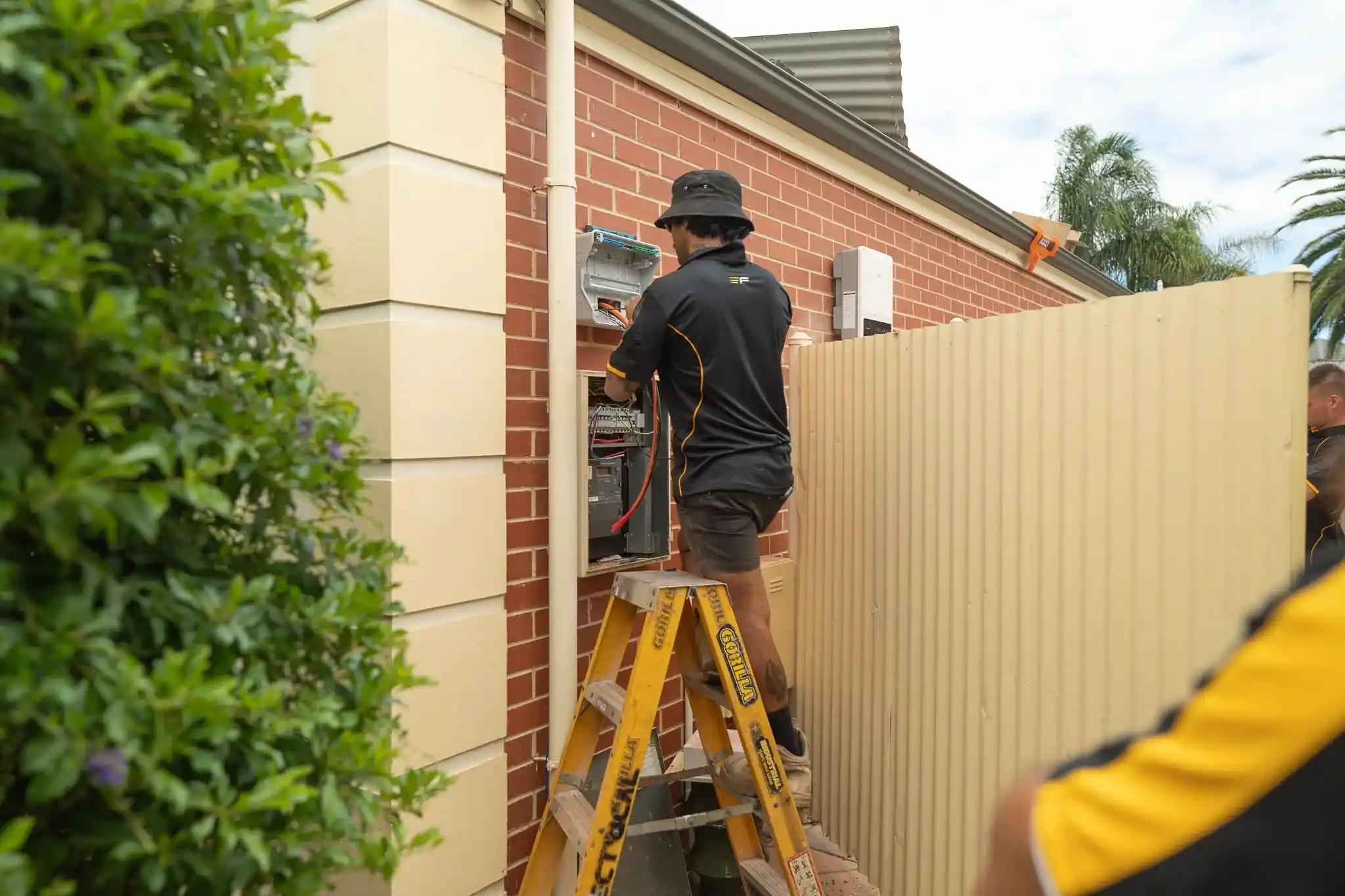
Upfront pricing and quality electrical work for growers, businesses and homes across Virginia and the Northern Adelaide Plains, from the team at Flash Electrical SA.
"*" indicates required fields

Over 10 Years Experience

REPS Approved Installer

Upfront & Competitive Pricing

Rural and Farm Work

Project Managing All Tradesmen
Flash Electrical SA has been wiring up homes and businesses across Adelaide since 2016, and the work we do in Virginia looks different to the work we do in the suburbs.
Whether it’s a glasshouse, a pump shed, a packing line, a cool room or the house on the same property, our licensed team handles switchboard upgrades, three phase, LED lighting, solar and battery installs, air conditioning and general electrical repairs, all with upfront pricing and no surprises on the invoice.
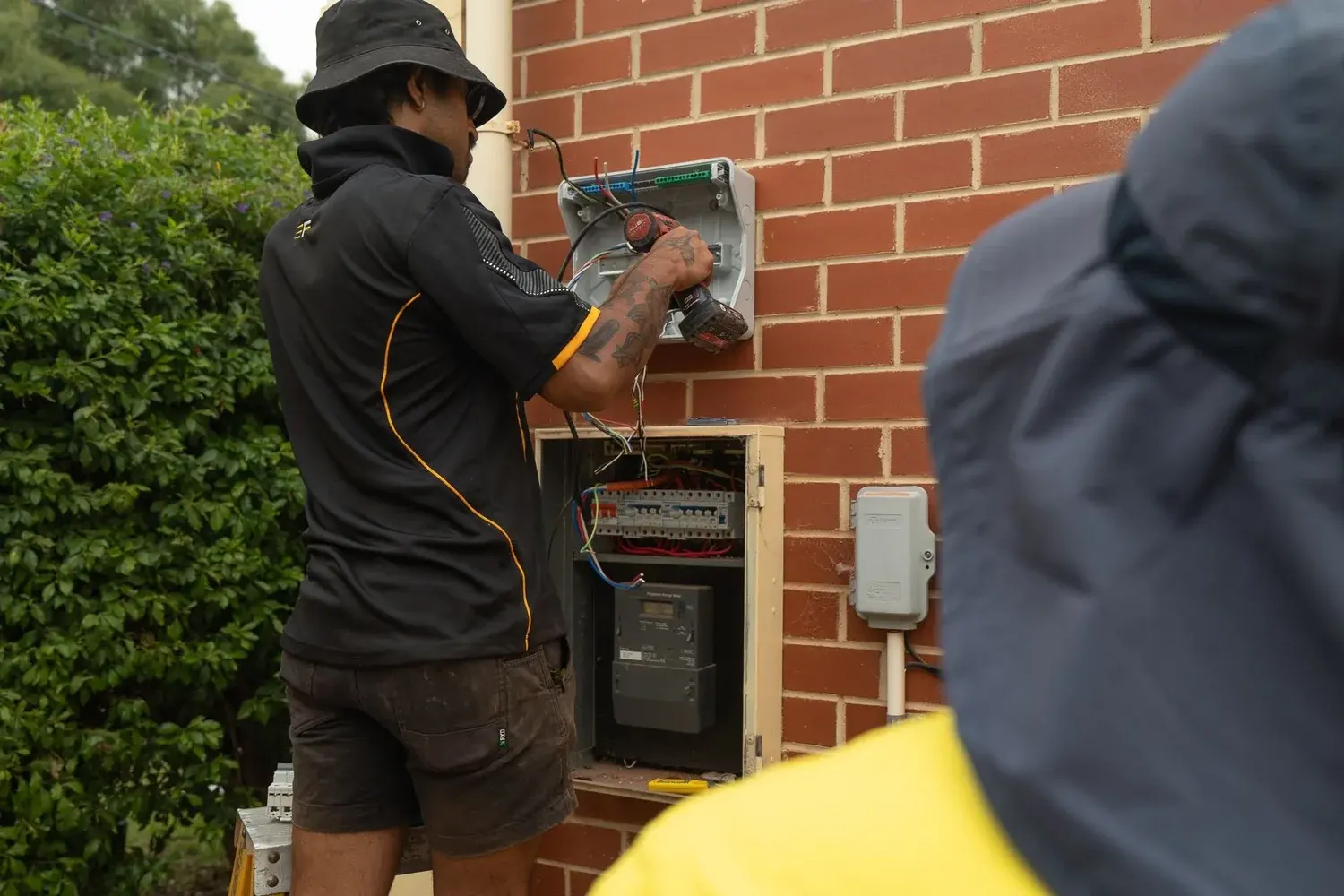
Safety switches and compliant boards.
Upgrades and new installs.
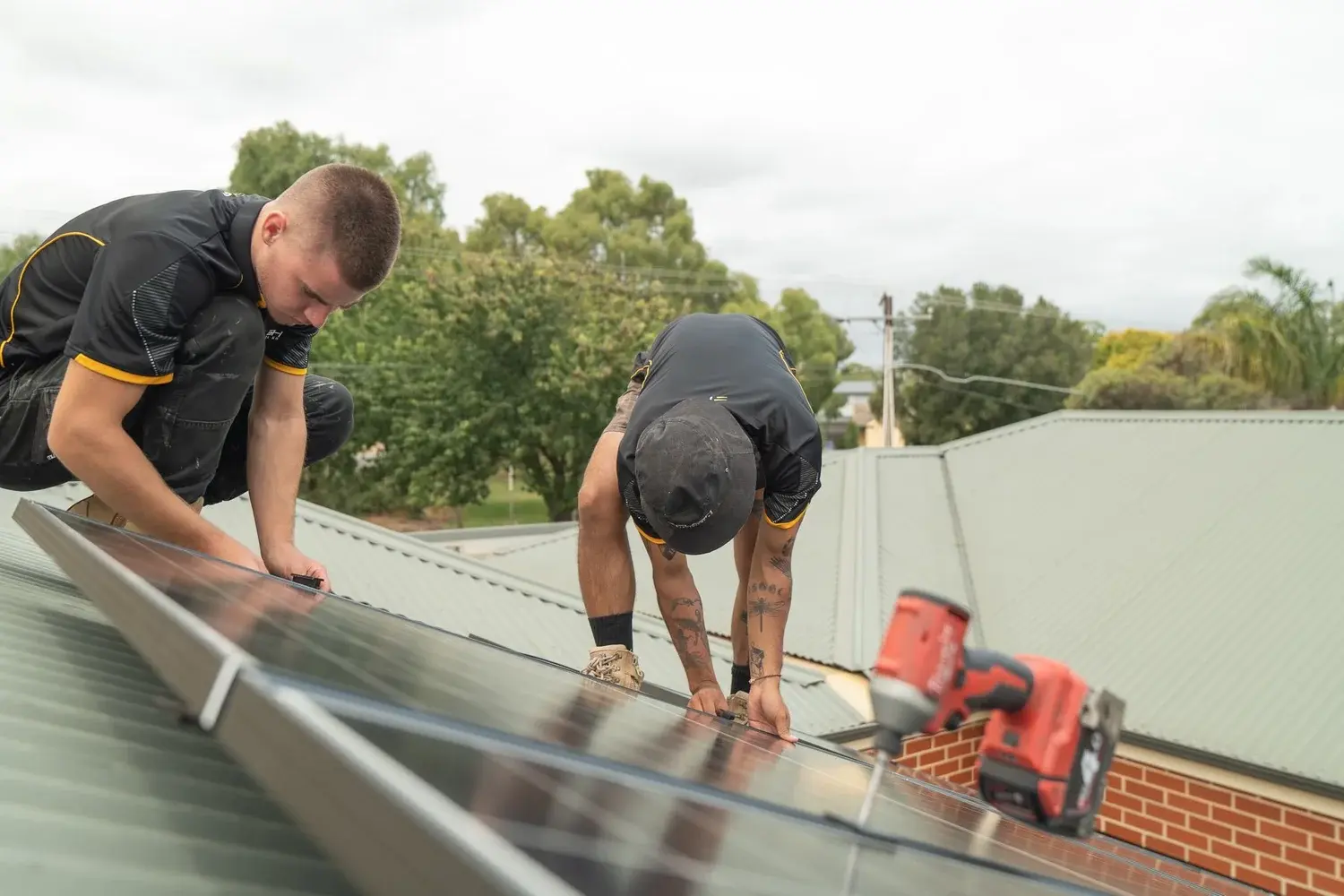
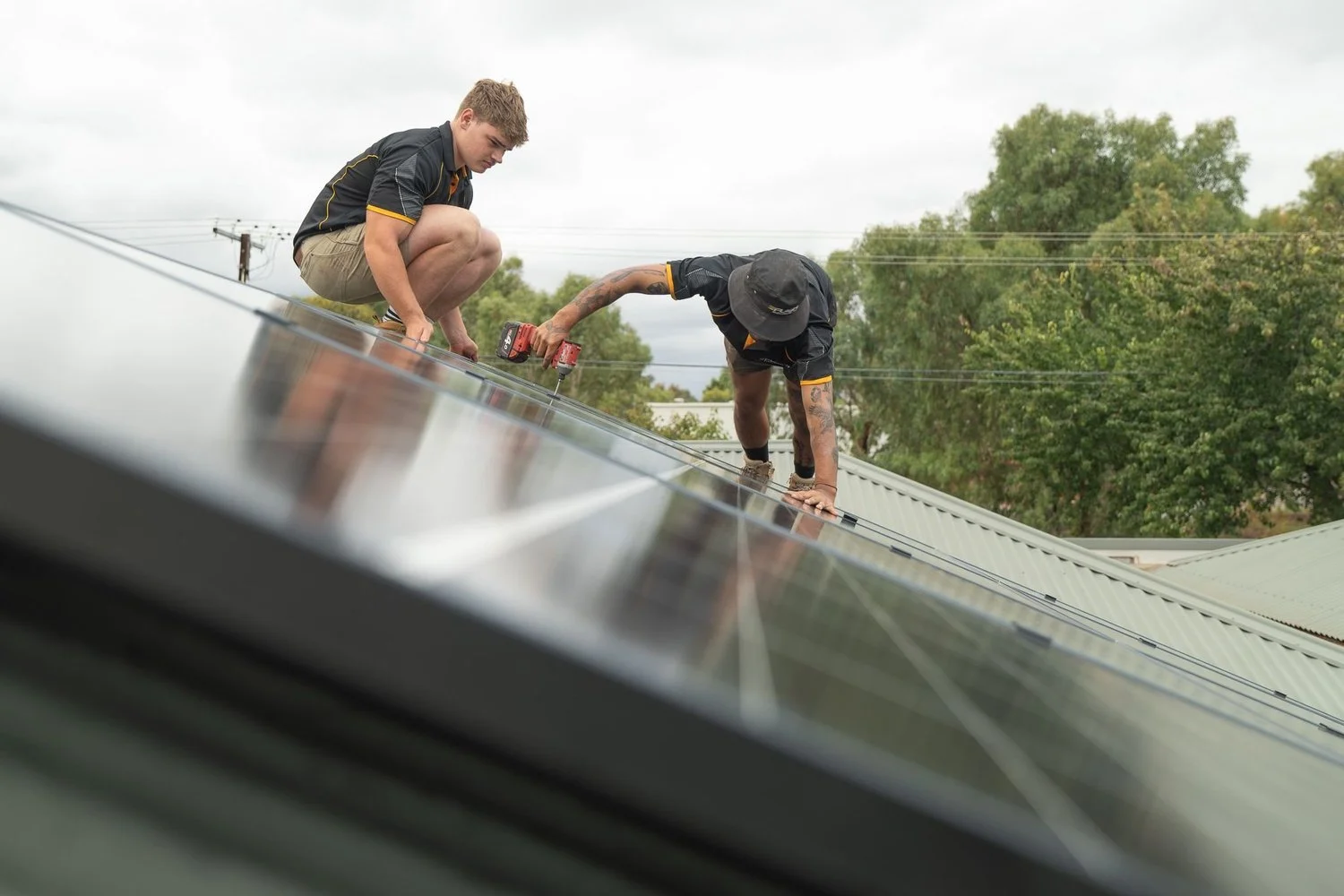
Systems sized to your usage.
Split system install and servicing.
Fault finding and general electrical.
Safety switch and appliance testing.
More than 47% of South Australian homes already make their own power from rooftop solar. Only about 11% have a battery to keep any of it. The rest is exported for a few cents and bought back at full price after dark, which is exactly when most households actually use it.
of homes in South Australia have Solar
have a battery to store it
federal rebate steps down again
The Cheaper Home Batteries discount shrinks at every step of the schedule, and the next one lands on 1 January 2027. That’s roughly $400 off a typical 10kWh system and around $1,000 on a large one, gone. If a battery is on the list for your place in Glenelg, the cheaper window is the one you’re standing in.
A clear price before work starts, so there’s no invoice surprise at the end.
Understand the proposed work and pricing, then approve the quote when you’re ready.
REPS approved installers, no subcontractors, same crew from quote to switch-on.
Downtime costs more here than almost anywhere else we work, because what stops is not trading hours, it’s irrigation, climate control or refrigeration, and there’s stock on the line. So we quote the scope upfront, plan the work around your season and your picking windows where we can, and tell you honestly what can wait and what cannot.
Around Virginia that means glasshouse power and lighting, ventilation and climate control wiring, irrigation and bore pump electrical, three phase supply and motor circuits, cool room and packing shed fitouts, shed and yard lighting, and switchboard capacity work. Whether that’s a new pump run or a full packing shed fitout, the job gets the same licensed crew from quote to sign-off.
Daniel Brady, an Irish settler, took up a hundred acres here in October 1848 and named the place after Virginia in County Cavan. He built the Wheatsheaf Hotel in 1854, the church went up in 1861, the Institute opened in 1908 and the railway arrived in 1916. For most of that history it was wheat, then hay, then market gardens.
What sits on that same ground now is something else entirely. The Northern Adelaide Plains is the largest protected cropping region in the Southern Hemisphere, with more than a thousand hectares under glass and plastic and roughly another hundred hectares added every year. Generations of growers have built it, and the Virginia Horticulture Centre on the main street is still the hub of it.
For an electrician that means the jobs here are not the jobs three suburbs south. A glasshouse is a hot, humid, wet environment full of equipment that has to keep running. A pump might sit hundreds of metres from the switchboard. A cool room full of stock is a very expensive thing to lose on a thirty-eight degree day.
We will tell you plainly what your property actually needs before any work starts.
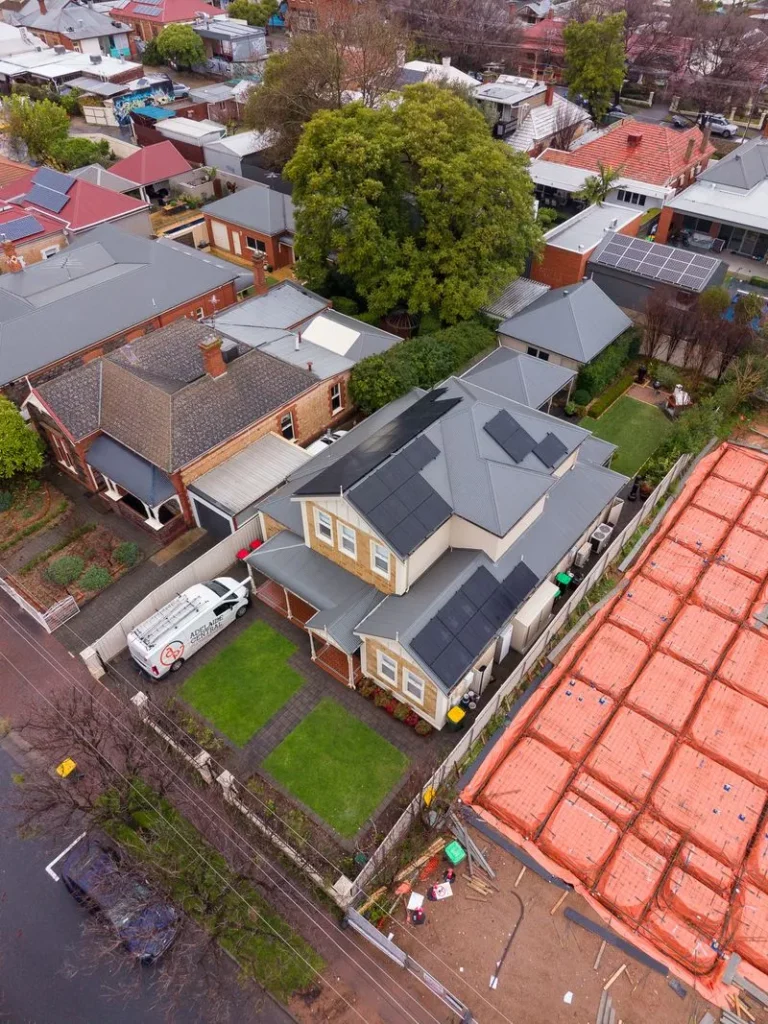
If the lights dip when the kettle or the air conditioner kicks in, the circuit is carrying more than it was built to carry.
If the lights dip when the kettle or the air conditioner kicks in, the circuit is carrying more than it was built to carry.
If you’re still replacing fuse wire, the board is older than safety switches are and it’s well past due for an upgrade.
Share your project and location. We’ll discuss the scope and arrange a site visit if needed.
Understand the proposed work and pricing, then approve the quote when you’re ready.
We’ll schedule your job, coordinate the work and take you through the completed project.
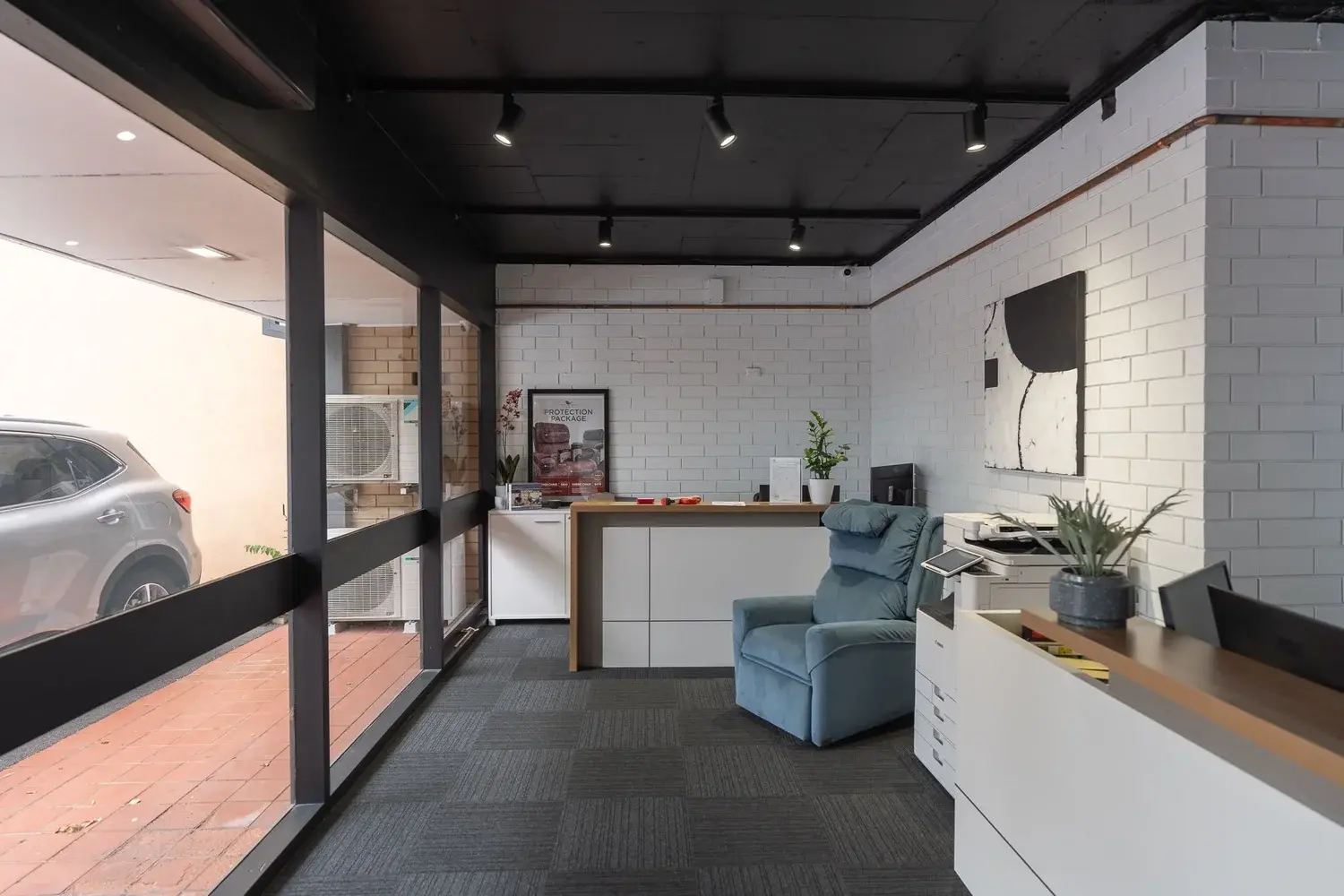
Flash Electrical SA runs out of a warehouse at Dudley Park, with crews covering homes and businesses throughout metropolitan Adelaide, plus rural and farm work further out. If you’re closer to the coast or the inner north, we’re already working in your area.
The environment, and it drives everything. A glasshouse is warm, humid, regularly wet and often has fertiliser and chemical in the air, which is a genuinely hostile combination for electrical equipment. That means fittings and enclosures specified for the actual conditions rather than standard commercial gear, sealed to a rating that will hold up, and RCD protection on circuits people are working near while wet. Heat is the other factor, because ambient temperature affects what a cable can safely carry, so a cable sized for a cool plant room is not automatically right for the same job under glass. Where we most often get called is a shed or house sparky’s work that was fine for a shed or a house.
It matters a lot, and it’s the single most common thing we get asked to fix out here. Over a long cable run the voltage at the far end drops below the voltage at the board, and if the cable has been undersized for the distance, the motor runs at lower voltage than it was designed for. That means it draws more current, runs hotter and dies earlier, and you usually blame the pump. The fix is sizing the cable for the run rather than the load alone, which costs more in cable and saves the motor. If you’ve replaced the same pump more than once, this is worth checking before you buy another one.
Usually a sub-main from the main switchboard out to the site, sized for both the load and the distance, generally run underground in conduit at the required depth, terminating in its own board with its own protection and isolation. On a property with several of these the smarter approach is often a distribution board partway rather than separate runs from the house for each one. What decides the cost is the trench and the cable, so the thing worth telling us at quote stage is everything you might eventually want out there, not just what you need this season. Adding a second run later costs far more than upsizing once.
Refrigeration is the load where a fault costs you stock rather than inconvenience, so it deserves to be treated differently. Worth having: a dedicated circuit rather than sharing with the packing shed, protection sized correctly for the compressor’s starting current so it isn’t nuisance tripping on a hot afternoon, and some form of alarm or monitoring so a failure at 2am is something you find out about at 2am. It’s also worth a conversation about what happens in an extended outage, because the answer for most growers is either a generator connection point wired in properly or accepting the risk, and those are very different decisions to make in advance rather than during.
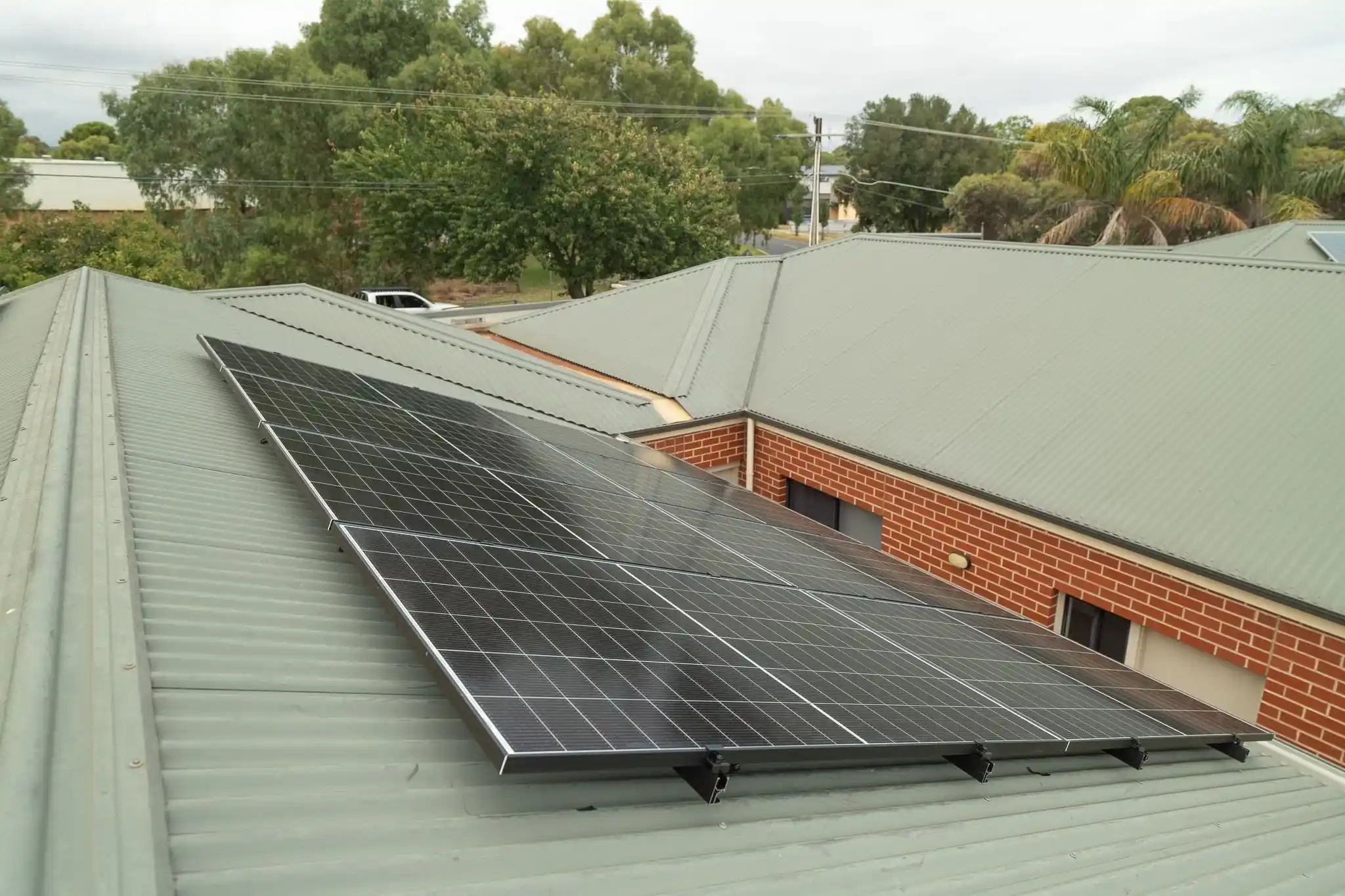
The economics here are better than almost anywhere, for two reasons. The roof area is large, and more importantly the load profile actually matches generation: pumps, fans, refrigeration and packing lines all run hardest during daylight in summer, which is exactly when the system is producing. That means a high proportion of what you generate gets used on site rather than exported for a few cents, which is what determines whether a commercial system pays for itself. What needs checking first is the structure and the roof sheeting, whether the existing switchboard and supply can carry it, and what the network will allow you to export. Worth getting assessed properly rather than off a phone quote.
This is the one on this page that matters most. SA Power Networks report that around 20 South Australians a year are involved in incidents where farm machinery hits powerlines or Stobie poles, and electricity can arc across a gap without contact ever being made. The practical steps they recommend: know exactly where the lines run on your property using their Look Up and Live app or map, program machinery GPS with the infrastructure locations, brief every worker and contractor who comes on site, and get a High Load Permit for anything over 4.6 metres. Tipper trays, augers, irrigation pipe being lifted and unfamiliar contractors are the usual circumstances. If contact does happen, stay in the vehicle and call SA Power Networks on 13 13 66. Their farm safety guidance is here and SafeWork SA covers working near utility services.
By having it looked at, and the honest reason is that the answer depends on things that aren’t visible from the outside. What we assess is the incoming supply capacity, whether you’re single or three phase, what the existing load actually is rather than what it was when the board went in, physical space for additional protection, and the starting characteristics of what you’re adding, because motors pull far more on startup than they do running and that’s what catches people out. Out here we regularly find boards that have had equipment added to them across twenty years by several different people with no one tracking the total. Getting it assessed before the new equipment arrives is much cheaper than after.